A crystal shop can overwhelm new customers when every product sounds technical. It can also lose experienced collectors when the selection feels too decorative, too vague, or too light on pieces with real visual character.
Legacy Crystals and Minerals works because its catalog does not force those customers into the same path. You can start with bracelets, jewelry, polished stones, or carvings, then move toward raw minerals, collector items, top-shelf collector minerals, and museum-quality specimens as your eye becomes more specific.
A First Crystal Should Not Feel Like a Research Project
Your first crystal purchase should not require a full mineralogy vocabulary. If you are choosing a piece for your room, wardrobe, desk, or gift box, the first question is usually simple: how will this piece fit into real life?

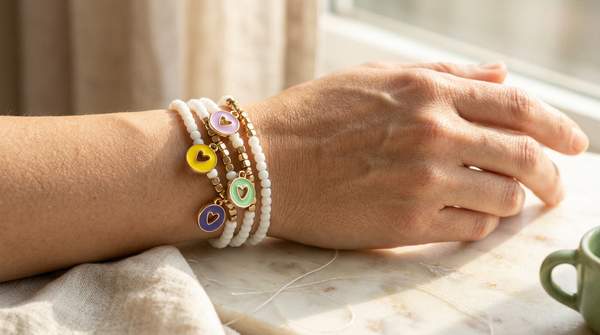
That is where approachable formats help. A bracelet already has a clear use, a polished stone can be handled or displayed easily, and a carving gives shape to the piece before you need to know every geological detail behind it.
Legacy Crystals and Minerals gives new crystal customers several ways to begin without making the catalog feel watered down. You can choose by form, color, stone type, or visual appeal before moving into more specialized collector language.
Serious Collectors Need a Piece to Hold Up Over Time
Collectors usually look past the first hit of color. Formation, condition, scale, luster, matrix, and locality details where available can decide whether a specimen earns space in a case, cabinet, or dedicated display.
A piece can be attractive and still feel redundant if it repeats what the collection already has. A stronger specimen adds something specific, whether that is a sharper formation, a different mineral type, a stronger matrix example, or a more compelling display presence.
Legacy Crystals and Minerals carries raw minerals and crystals, collector items, top-shelf collector minerals, and museum-quality minerals for that more selective stage. Those categories give experienced collectors a place to look when they want more than a decorative stone.
The Middle Ground Is Where the Catalog Gets Useful
Not everyone stays a beginner, and not every collector wants only high-end specimens. A good catalog needs space for curiosity to grow without making each next step feel like a leap.
Polished stones, jewelry, carvings, and smaller natural pieces can help you learn what you actually like. Over time, you may notice that you care more about crystal habit, surface texture, translucency, matrix, or origin details than you did at the start.
That middle ground is commercially important because it keeps the collection open. Legacy Crystals and Minerals lets you browse casually, then become more selective without needing to leave the same catalog.
Natural Stones Reward a Slower Look
Natural crystals and minerals do not have the uniformity of mass-produced decor. Color distribution, inclusions, growth lines, veining, matrix, and surface texture can make two pieces with the same mineral name feel completely different.
That individuality helps newer customers choose pieces that feel personal. It also gives collectors the details they need to compare one specimen against another with more care.
Legacy Crystals and Minerals describes its specimens as 100% natural and does not sell dyed stones, heat-treated stones unless disclosed, or synthetic stones. You should still check each listing because treatment disclosures, size, locality, and product details belong at the individual item level.
Wearable, Displayable, and Collectible Pieces Serve Different Needs
A bracelet does not need to compete with a museum-quality specimen. Jewelry, polished stones, carvings, raw minerals, and collector pieces all serve different purposes, which is why the same catalog can appeal to very different customers.
If you want something easy to wear, jewelry gives the stone a practical role. If you want something for a shelf, table, or workspace, polished forms and carvings can provide color, shape, and presence without requiring a collector setup.
If you want a specimen with more geological interest, raw and collector-focused pieces give you more to evaluate. Legacy Crystals and Minerals keeps those options together, so you can choose the level of depth that fits your current interest.
New Customers Can Shop by Use First
If you are new to crystals, the fastest way to narrow the catalog is to ignore the pressure to choose the “right” stone immediately. Start with the role of the piece instead.
A gift may call for a bracelet, carving, or polished stone because the use is easy to understand. A room accent may need a tower, sphere, raw specimen, or larger polished piece that gives the space enough visual weight.
Once the format is clear, the mineral choice becomes less stressful. You can compare color, size, finish, and overall look without pretending you already know every stone by name.
Collectors Can Shop by What the Collection Lacks
If you already collect minerals, the better starting point is the gap in your current display. Another beautiful piece may still be the wrong purchase if it does not add a new shape, locality where available, mineral type, matrix example, or scale.
That approach keeps the collection from becoming crowded with near-duplicates. It also makes each purchase more intentional because the new piece has a specific job within the larger display.
Legacy Crystals and Minerals gives collectors enough range to make that comparison. You can look across raw minerals, top-shelf collector minerals, museum-quality minerals, and individual specimen listings to decide what actually strengthens the collection.
The Appeal Is Range Without Losing Focus
The real appeal of Legacy Crystals and Minerals is that the catalog gives different levels of interest a practical entry point. A new customer can begin with beauty, wearability, or giftability, while a serious collector can move toward formation, natural structure, scale, locality details where available, and collector-grade presentation.
That range keeps the experience from feeling either too casual or too intimidating. You can start where you are, then choose pieces that match how your interest in crystals and minerals develops.
Frequently Asked Questions About Legacy Crystals and Minerals
Can Legacy Crystals and Minerals work for both beginners and collectors?
Yes, because the catalog has more than one way in. Legacy Crystals and Minerals carries approachable formats such as bracelets, jewelry, polished stones, and carvings, while also offering raw minerals, collector items, top-shelf collector minerals, and museum-quality minerals for more serious collections.
What should you look for if you are new to crystals?
Start with how you want to use the piece. Jewelry may suit daily wear, a polished stone may work for handling or simple display, a carving may make a more personal gift, and a raw specimen may suit someone drawn to natural formation.
What should serious collectors look for?
Serious collectors should look at formation, condition, mineral type, matrix, luster, scale, and locality details where available. A stronger collector piece should add something specific to the collection instead of repeating what is already there.
Are Legacy Crystals and Minerals specimens natural?
Legacy Crystals and Minerals describes its specimens as 100% natural and does not sell dyed stones, heat-treated stones unless disclosed, or synthetic stones. You should still read individual listings because size, treatment disclosures, locality, and product details can vary by item.
How should you choose between an accessible piece and a collector specimen?
Choose an accessible piece when you want something wearable, giftable, tactile, or easy to display. Choose a collector specimen when you want stronger natural formation, more display presence, locality details where available, or a piece that fills a specific gap in a growing collection.