In 2026, homes are no longer just decorated; they are built around a single piece of wall art, transforming living spaces into visual narratives. This approach personalizes textured home interiors, making each room a reflection of its inhabitants' deepest stories. The shift marks a distinct departure from generic aesthetics, embracing unique, narrative-driven spaces that resonate with individual experiences.
Home design traditionally treated wall art as an afterthought, a final flourish to a completed room. Yet, it now becomes the foundational element, dictating an entire room's aesthetic and emotional tone. This reorders the entire design process, with the art piece selected before furniture or color palettes.
Therefore, the home decor market is likely to see a significant surge in demand for bespoke, emotionally resonant art and highly individualized design services, challenging the dominance of generic, mass-market offerings. This singular idea drives a profound evolution in how we conceive and create our personal spaces.
Beyond the Blank Canvas: When Walls Tell Stories
Modern interiors are now conceived with a central artistic vision. In 2026, wall art shifts from a secondary decorative element to a defining feature of modern spaces, with interiors built around visual storytelling, according to OCNJ Daily. Designers and homeowners now begin by selecting a painting, sculpture, or textile piece, then build the room's palette, furniture, and other decor elements around it.
This reorientation has also popularized 'curated maximalism.' Modern design embraces this approach, blending textures, colors, and artistic styles to create layered, meaningful interiors, as reported by OCNJ Daily. This aesthetic moves beyond minimalist uniformity, allowing for a harmonious blend of diverse elements, including global textiles and handcrafted items. These additions provide rich, varied textures that complement the foundational art piece. The narrative power of art now dictates the entire room’s design, creating spaces that feel deeply personal and cohesive. A deeper cultural shift towards self-expression over conventional beauty standards is suggested.
Market Signals: The Shift to Personalization
- Homeowners increasingly prioritize personalized, textured interiors, moving decisively from uniform styles to unique artistic expressions.
- Interior design firms across major markets note a rising client interest in art-first consultations, signaling a fundamental shift in project initiation.
- 'Curated maximalism' consistently appears in major design publications and trend forecasts for 2026.
- Boutique galleries and independent artists report an uptick in commissions for custom, focal-point pieces.
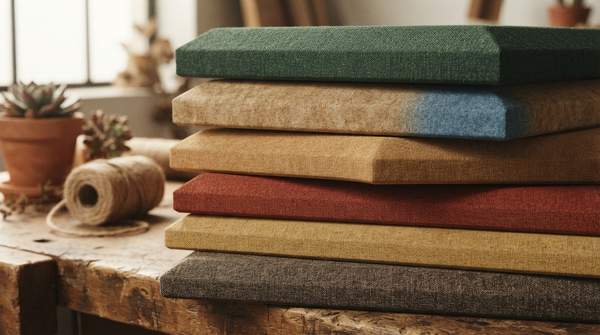
- Demand for unique, hand-woven textiles and artisanal wall hangings steadily rises, reflecting a desire for tangible texture.
- Sales of mass-produced, generic wall decor plateau or decline, as consumers prioritize individuality and emotional resonance.
- Online platforms connecting artisans with consumers expand, facilitating access to bespoke art and unique decor.
The Quest for Authenticity: Why Personalization Reigns
Individuals increasingly seek home decor that serves as a canvas for their life stories, moving away from the impersonal. A significant trend in 2026 is the move toward personalization in wall art, with individuals seeking décor that reflects their unique story and emotional value, according to OCNJ Daily. This desire extends beyond mere aesthetics; it speaks to a deeper human need for self-expression and emotional connection within one's living space, actively rejecting generic aesthetics that lack personal meaning.
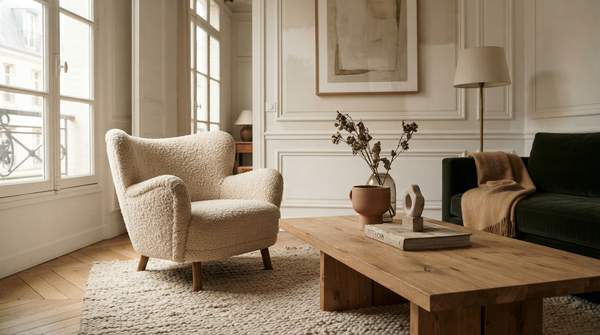
This pursuit of emotional value also manifests in the tactile experience of a home. Consumers drive demand for rich, varied textures in fabrics, rugs, and finishes, all chosen to complement the central art piece. The interplay of a vibrant painting with a hand-knotted rug or a textured wall covering creates a sensory narrative. This approach allows homeowners to build environments that feel authentic and deeply reflective of their individual journeys, making their homes sanctuaries of personal history and expression. The home becomes a living archive of personal experience.
From Concept to Canvas: Seeing Curated Maximalism in Action
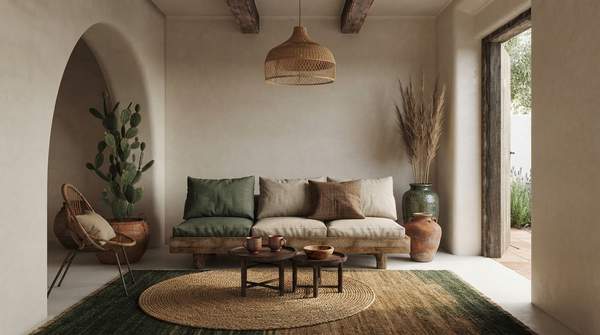
Designers now demonstrate how these art-first principles translate into cohesive, impactful interiors. For instance, a living room in Santa Fe might center on a large, hand-woven tapestry. The room's earthy color palette and rough-hewn furniture echo its textures and cultural narrative. The tapestry becomes the anchor, guiding the selection of terracotta pottery, distressed leather, and natural fiber rugs.
Another example might be a minimalist apartment transformed by a striking abstract painting. The artwork's bold colors and dynamic lines inspire geometric patterns in throw pillows, a sculptural coffee table, and even the choice of lighting fixtures. This method ensures wall art provides the central theme, allowing for a harmonious blend of diverse elements that would otherwise appear chaotic. These real-world applications reveal how layered aesthetics and personal narratives integrate into cohesive design, proving that individuality can indeed create order.
Designing Tomorrow: Implications for Home and Market
Retailers and designers must adapt to a market that prioritizes individual narratives over mass appeal. Wall art is shifting from a secondary decorative element to a defining feature, while the embrace of 'curated maximalism' and demand for 'personalization in wall art' signals generic decor is becoming obsolete, as reported by OCNJ Daily. Businesses must pivot towards bespoke services and emotionally resonant pieces. Generic, mass-produced home decor will find a shrinking audience, forcing a restructuring of supply chains and marketing strategies. The market will favor those who can offer unique, narrative-driven solutions, connecting consumers with artisans and custom design capabilities. A future where homes are increasingly seen as dynamic extensions of identity, fostering a market for bespoke and emotionally rich design solutions, is suggested. The industry's survival hinges on its ability to truly understand and cater to the individual story.
By Q4 2026, if current trends persist, boutique galleries and independent artists are likely to see a substantial increase in commissions, challenging the market share of large-scale decor chains as consumers seek authentic, personalized pieces for their homes.