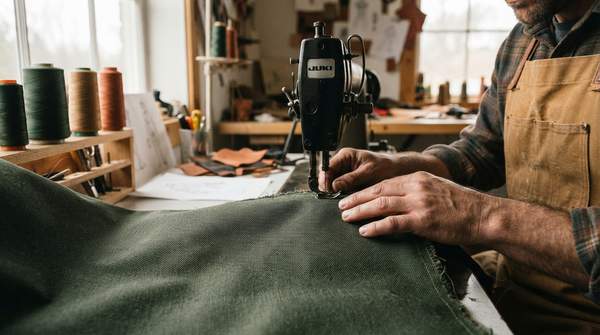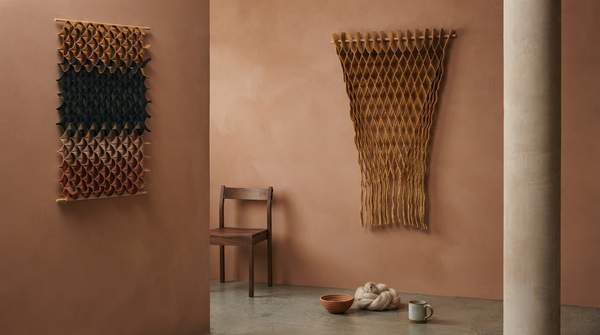
Textile upcycling splits into two fundamentally different worlds. In one, designers take existing garments and fabrics and rework them by hand into new pieces—labor-intensive, visually distinctive, and stubbornly difficult to mass-produce. In the other, industrial technologies break textile waste down into fibers or even molecular building blocks, aiming for virgin-quality materials at scale—but, according to the U.S. Government Accountability Office, chemical recycling is still not available for widespread use. Understanding that divide is the key to evaluating any upcycling method, whether you are a maker planning a first project or a brand weighing an investment.
Introduction: The Two Paths of Textile Upcycling
Upcycling is best understood by what it is not. North Carolina State University's Wilson College of Textiles draws the line against downcycling—shredding old garments into low-grade fibers for products like carpet padding—and against conventional recycling that decomposes fabrics into raw materials. Upcycling, by contrast, is a design-based approach that repurposes existing fabrics and products through creative design, creating high-value items rather than degraded ones.
That definition, however, covers two very different strategies. Design-led upcycling keeps the original fabric's form largely intact and adds value through design innovation, as fashion writer SATVA BY JR describes: the fabric's integrity is retained while creativity transforms it. Technology-led upcycling takes the opposite route, using mechanical and chemical recycling to break textile waste down into fibers that can be respun into new yarns and fabrics. One philosophy preserves; the other rebuilds. The five approaches compared here—deconstruction and reconstruction, patchwork and quilting, fabric manipulation, mechanical recycling, and chemical recycling—each sit somewhere on the spectrum between the artisan's studio and the industrial plant.