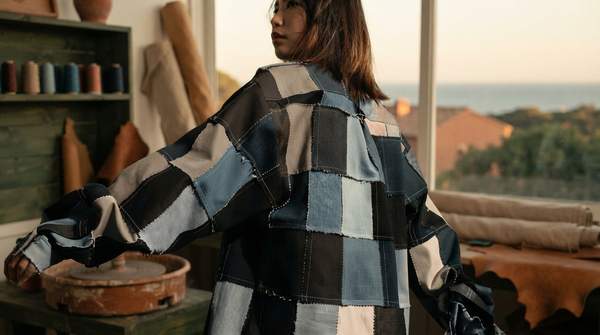
Over 10,000 pieces of denim, including jeans and jackets, have just hit the market in Brazil, made from an unexpected blend of recycled cotton waste and sugarcane-based elastane. This significant launch by Riachuelo includes five different styles, marking Brazil's first jeans to use this innovative material combination, according to wwd and Textile Today. The collection, named Pool Loop, moves beyond niche offerings, representing a substantial step in sustainable denim innovation for 2026 and beyond, directly challenging conventional textile production methods and their reliance on virgin resources.
The fashion industry often struggles to scale sustainable innovations beyond niche collections, but Riachuelo is launching its next-generation sustainable denim line with significant production volumes for the mass market. While perceived barriers to mass-market sustainable production exist, Riachuelo's action indicates these barriers may stem more from willingness or strategic focus than technical feasibility.
Based on Riachuelo's significant launch and its pioneering material use, it appears likely that advanced sustainable materials will rapidly move from experimental stages to mainstream adoption in global fashion, pushing competitors to follow suit.
How Sustainable Denim Accessories Are Evolving
Denim Première Vision's ninth edition showcased innovations for fall 2024, including accessories like recycled trims, vegan leather, and eco-friendly labels. A broader industry commitment to reducing environmental footprints across all product components is confirmed by this comprehensive display. Companies like ACM presented finishes made from regenerated materials, offering vintage treatments and metallic inserts, while Jawaid Bross introduced its 'SavEarth' line, featuring Tencel lyocell woven labels and 100 percent recyclable hangtags, according to wwd. Kasiv Leather Label also showcased durable, cruelty-free TPU-based vegan leather labels, resistant to scratches, water, and oil. A comprehensive effort to reduce environmental impact across all components of denim products, moving beyond just the core fabric, is indicated by this diverse range of sustainable accessory innovations. The implication is that even small components are now critical battlegrounds for sustainability, raising the bar for holistic eco-conscious design.