Interlining is the unseen architecture of a well-made garment, providing the essential shape, structure, and stability that elevates a project from homemade to professionally tailored. Choosing the correct type is a critical decision that directly impacts a garment's final drape, appearance, and longevity. The selection process hinges on two key factors: the application method—fusible or sew-in—and the material construction of the interlining itself, which is typically woven, non-woven, or knit. Matching these properties to your outer fabric and design goals is the secret to achieving a flawless finish.
The Foundation of Structure
Interlining is a layer of fabric placed between the main garment fabric and its facing to reinforce, support, or add shape to specific areas. It is widely used in collars, cuffs, waistbands, and jacket fronts to prevent stretching and provide crispness. According to a review of interlining usage in garment manufacturing, the right choice improves not only the quality and appearance of clothing but also its durability. The goal is to enhance the garment without overpowering the main fabric, ensuring the final piece has the desired handle and resilience.
Fusible vs. Sew-In: Choosing Your Application Method
The first major decision is how the interlining will be attached to your fabric. This choice is primarily dictated by your fabric's characteristics and the time you can invest.
Fusible interlining is bonded to fabric using heat and pressure from an iron or a fusing press. This method is often favored for its speed, consistency, and efficiency, making it a staple in garment manufacturing. It provides reliable shape and stability, particularly for components like plackets and waistbands. However, it is unsuitable for fabrics that are heat-sensitive, heavily textured, or loosely woven, as the heat can damage the material or the adhesive may not bond properly.
Sew-in interlining, as the name suggests, is stitched into the garment by hand or machine. This traditional technique is essential for delicate materials that cannot tolerate heat. While it requires more time and skill, sew-in interlining preserves the natural drape and feel of the outer fabric. It is the preferred method in couture and classic tailoring, where materials like silk organza or cotton muslin are used to add structure while remaining lightweight and breathable.
Material Matters: Woven, Non-Woven, and Knit Interlinings
After deciding on an application method, you must select the base material of the interlining. Each construction offers different properties of stability and flexibility.
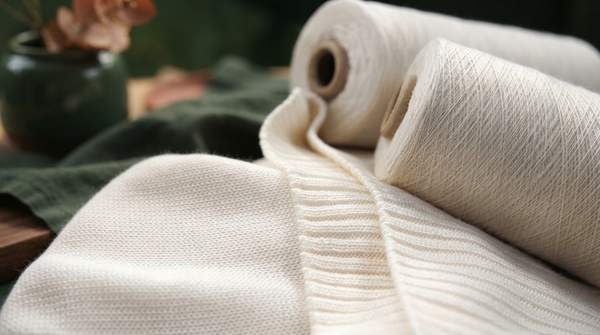
Woven interlinings are constructed with a grainline, just like regular fabric. They provide stable support while allowing the main fabric to drape naturally, making them ideal for tailored garments like suits, coats, and jackets where a premium finish is a priority. They should be cut and applied respecting the grain to match the outer fabric.
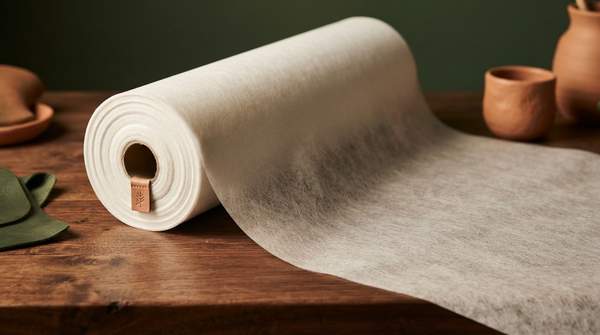
Non-woven interlinings are made from fibers bonded together chemically or thermally, so they have no grain. This makes them easy to cut and apply without worrying about direction. They are highly versatile and have a broad range of uses, from adding structure to collars and cuffs on shirts and blouses to enhancing the shape of dresses and jackets.
Knit interlinings are designed for use with stretch fabrics. A 4-way knit fabric, for instance, requires a 4-way knit fusible to maintain its natural stretch and prevent the garment from becoming rigid. Another type, weft interfacing, is made with threads woven through knit stitches, offering stability along both grains while remaining soft enough for tailoring applications.
Interlining Selection Decision Framework
To select the best interlining for your project, use this framework to match your fabric and garment goals with the appropriate material. The right choice balances the needs of the outer fabric with the desired structural outcome.
| Interlining Type | Key Characteristics | Best For Fabric Types | Common Garment Uses |
|---|---|---|---|
| Fusible Woven | Bonds with heat and pressure; has a grainline; provides crisp, stable support. | Lightweight to medium-weight woven fabrics that can tolerate heat. | Collars, cuffs, plackets, and waistbands on shirts and trousers. |
| Fusible Non-Woven | Bonds with heat; no grainline, so easy to cut; versatile and cost-effective. | A wide range of woven and knit fabrics that are not heat-sensitive. | All-purpose use in shirts, blouses, skirts, and dresses for general structure. |
| Sew-In Woven (e.g., Organza, Muslin) | Stitched in place; preserves the natural drape and hand of the fabric. | Delicate, textured, or heat-sensitive fabrics like silk, lace, and velvet. | Couture applications; providing sheer, lightweight support in high-end garments. |
| Sew-In Specialty (e.g., Tailor's Canvas) | Stitched in place; provides significant, flexible structure for shaping. | Medium to heavyweight wools and other materials used in tailoring. | Building shape in the fronts of suit jackets, coats, and tailored outerwear. |
Navigating Trade-offs: Risks and Benefits in Practice
The choice between fusible and sew-in interlining involves practical trade-offs. Fusible options offer undeniable speed and consistency, but they come with risks. If the heat, pressure, or steam is not applied correctly, the adhesive can fail to bond properly, leading to a bubbled or wrinkled appearance on the garment's surface. Furthermore, a fusible interlining can sometimes alter the hand of a delicate fabric, making it stiffer than intended.
Sew-in interlinings avoid these heat-related issues entirely, making them the safest choice for expensive or delicate materials. They allow the outer fabric to retain its inherent qualities, resulting in a more natural drape. However, this method is more labor-intensive and requires skill in techniques like basting to ensure the layers do not shift during construction. For many artisans and tailors, the extra effort is a worthwhile investment for the superior finish and longevity it provides, especially in classic tailoring.
Making Your Interlining Choice with Confidence
To achieve a professional and durable result, your interlining choice must be a deliberate one. The path to a successful outcome starts with a clear assessment of your project's needs. First, evaluate your outer fabric's tolerance for heat and its inherent weight and drape. Next, define the structural goal for the garment—do you need a crisp collar, a soft roll on a lapel, or gentle support throughout? With these factors in mind, you can confidently select the right combination of application method and material construction.
Select interlining by first considering the outer fabric's heat tolerance and desired garment structure, then matching these to the application method (fusible or sew-in) and base construction (woven, non-woven, knit) that best supports the project goals. The finished garment exhibits the intended structure, drape, and longevity without issues like bubbling or stiffness.