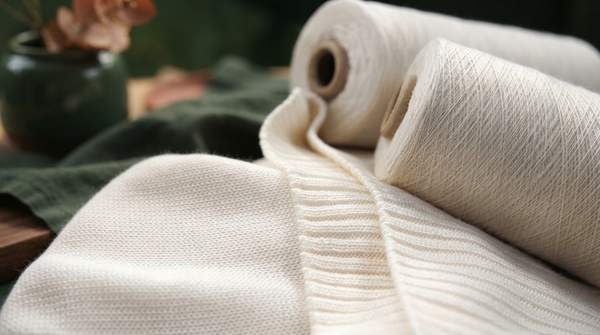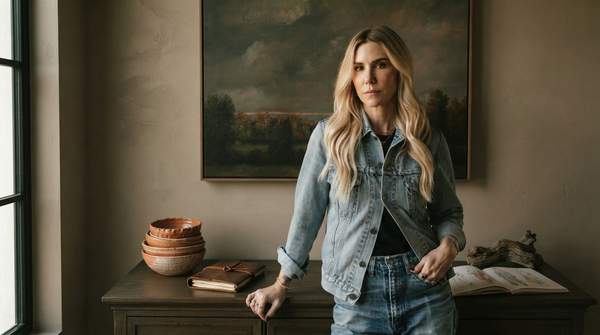
Designer Amber Lewis offers a structured approach to interior design through her "Six Ps" framework, detailed in her book *Interiors: Curated Spaces from Start to Finish*. This framework provides a repeatable process for navigating the design journey, which Lewis describes as "messy, layered, occasionally maddening but always meaningful." Integral to this process is the thoughtful integration of textiles, which are key to achieving her signature cohesive and textured aesthetic. By understanding how textile choices fit into each of the "Six Ps," you can apply Lewis's principles to create depth and warmth in your own home.
Ponder & Play: Envisioning and Experimenting with Textiles
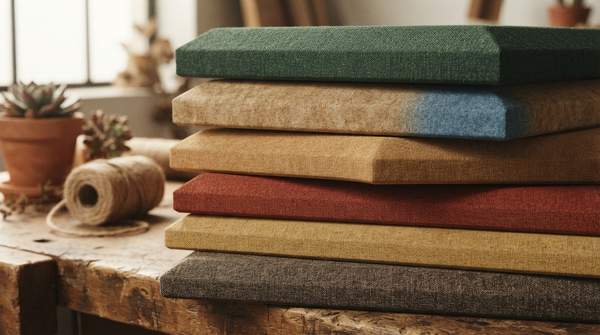
The initial stages of Amber Lewis's design process, Ponder and Play, are about establishing a clear vision and then testing it. Ponder involves dreaming up the overall aesthetic for a space, anchoring every subsequent decision with a focused vision. During this phase, you conceptualize the desired textile palette, considering the patterns, textures, and materials that will define the room's foundational feel. Play then moves from concept to tangible experimentation. This is where you test your envisioned design against actual fabrics and finishes. Gather fabric swatches, rug samples, and material finishes to see how they interact with the light and existing elements in your space. This hands-on approach allows you to confirm your textile choices before committing, ensuring they contribute to the desired cohesive and layered look.
Procure: Sourcing and Selecting Key Textile Elements
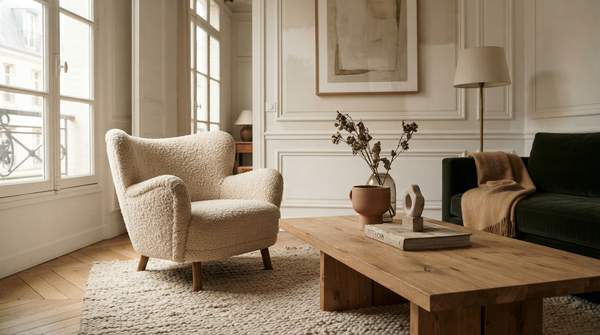
The Procure stage is an ongoing process of sourcing and ordering the various design elements for your project. Lewis describes this as a "shopping Olympics," involving everything from vintage finds to custom pieces. For textiles, this means making definitive selections and placing orders for specific items that align with your tested vision. When procuring textiles, consider key elements like rugs, drapes, upholstery, and pillows. Lewis emphasizes the importance of selecting the correct rug size and determining the appropriate number of pillows for your furniture. For instance, her signature style often features thin Persian, Kilim, or Dhurrie rugs, sometimes layered over larger jute rugs, and a mix of throw pillows made from vintage textiles like kilims, dhurries, or indigo mud cloth. Drapes are typically solid or subtly patterned in neutral tones like grey or beige.