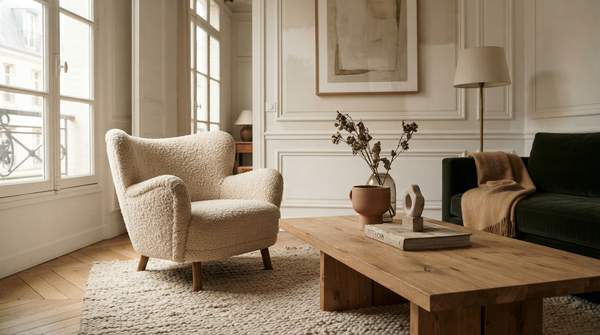
Decades after its creation, Yves Saint Laurent’s Paris living room from the 1970s remains a definitive masterclass in making a monochromatic space feel layered, warm, and deeply personal. While an all-white room can risk feeling sterile or one-dimensional, the fashion designer’s approach demonstrates a timeless framework for achieving sophisticated depth. By strategically combining multiple shades of white, layering a rich variety of textures, curating personal collections, and blending distinct design eras, Saint Laurent composed an interior that is both calming and full of character. This method offers a clear blueprint for anyone looking to create a chic, inviting, and layered neutral space that transcends fleeting trends.
Principle 1: A Palette of Whites, Not Just One
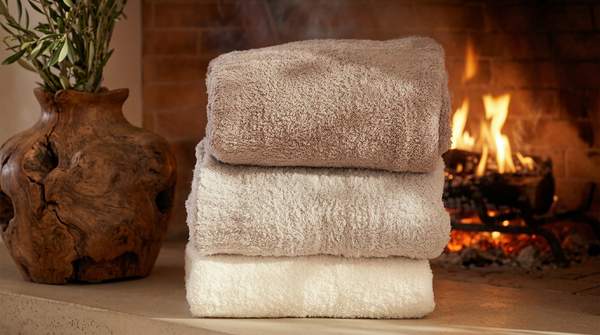
The foundation of Saint Laurent's success with a white-on-white scheme was his refusal to use a single, stark hue. Instead, he layered various shades to build visual interest and warmth, a key technique for avoiding a flat, clinical look. The room’s bright walls served as a clean backdrop for furniture and textiles in softer, off-white tones, most notably the natural sheepskin used on his stools. This subtle variation in tone is crucial for creating a sense of coziness. According to an observation from Marianne Shillingford, Creative Director and Color Expert at Dulux, this approach leverages the inherent complexity of the color itself.
"White isn’t one-dimensional," she explains, noting that "heritage-led shades with nuanced undertones and layered finishes can make spaces feel calmer, more inviting and effortlessly sophisticated." By treating white as a color with its own spectrum of possibilities—from crisp, bright architectural whites to creamy, warm textile whites—Saint Laurent created a sense of depth that elevates a simple scheme into something truly welcoming and complex.
Principle 2: The Power of Contrasting Textures
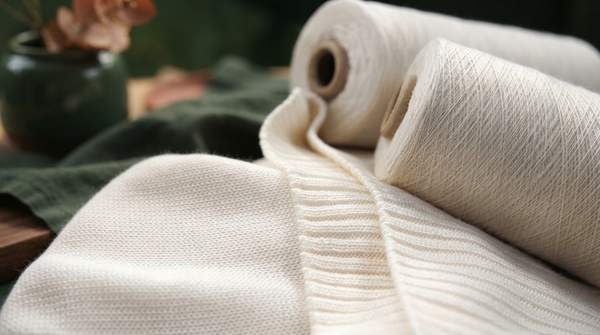
Within the room's restrained color palette, a rich interplay of textures provided the necessary depth and tactile comfort. Saint Laurent masterfully combined materials with different visual and physical qualities, preventing the monochromatic scheme from feeling static. The soft, organic texture of sheepskin added a layer of natural warmth, a direct counterpoint to the room's more glamorous elements. This natural feel was balanced with opulent textiles, a signature of Saint Laurent's design philosophy. An analysis from LES Collection notes that his homes featured "embroidered silks, rich brocades" and Persian carpets, which provided a sumptuousness that made the space feel lived-in and deeply considered.
Adding another layer of complexity were reflective surfaces that manipulated light. A mirrored coffee table from the 1930s and a pair of Jean Dunand metal vases introduced a sleek, polished element. These gleaming pieces stood in dialogue with the matte finish of white built-in shelves, which housed books and art. This deliberate layering of plush, opulent, and reflective materials is essential for creating a dynamic and inviting interior.