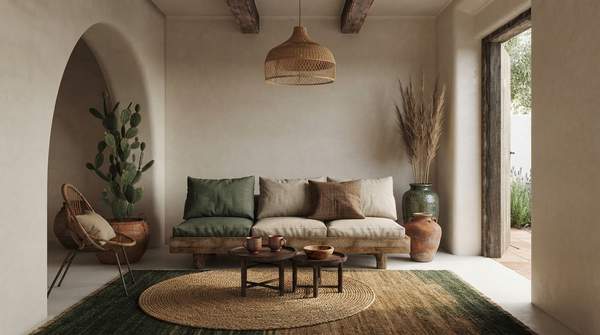
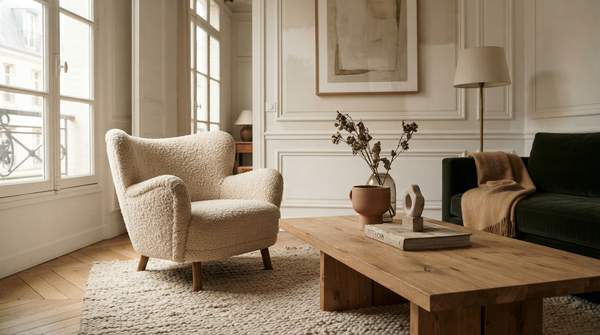
The era of "fast furniture"—items frequently constructed with inferior materials and designed for rapid turnover—is concluding, marking a major recalibration in consumer priorities. This impending shift reveals a discernible move away from transient home decor towards more enduring, considered purchases, significantly altering how households approach furnishing their living spaces and impacting manufacturing practices globally. Consumers are increasingly scrutinizing the lifespan and environmental impact of their acquisitions, prompting a re-evaluation of value propositions across the industry.
This predicted decline in disposable decor, however, occurs alongside a projected growth in the broader interior design market. The dominant trend is a pronounced rejection of the industry's recent past, favoring old-world charm and lasting quality over modern disposability. This tension reveals a redefinition of industry success, where market expansion is predicated on a major shift away from a product category that recently held substantial market share, rather than a continuation of existing trends. The market's overall optimism, as noted by The Spruce, appears directly linked to the obsolescence of fast furniture, as predicted by Forbes.
Consequently, the home decor industry is poised for a major transformation, with a renewed emphasis on craftsmanship, sustainability, and personal history. This trajectory challenges the dominance of mass-market production and requires businesses to adapt to a more discerning consumer base. Brands that prioritize durable, nostalgic, and expressive designs are positioned to capture the next wave of consumer spending, while those clinging to modern disposability face considerable market contraction.
Fast furniture, defined by its often inferior materials and inherent disposability, is projected to be obsolete, according to Forbes. The impending obsolescence signals a major recalibration in consumer priorities, moving decisively away from transient home decor towards more enduring, considered acquisitions and lasting value. Consumers are increasingly scrutinizing the lifespan and environmental footprint of their purchases, prompting a widespread re-evaluation of value propositions across the entire home decor industry. Consumers are prioritizing ethical production, item longevity, and personal connection over immediate affordability and fleeting trends. The market's future growth appears inextricably linked to the obsolescence of fast furniture, suggesting a re-channeling of consumer spending towards higher-value, more durable goods. A consumer-led rebellion against disposability suggests that companies still relying on low-cost, disposable home goods are facing an existential threat. The economic implications extend beyond individual purchasing decisions, influencing global supply chains and manufacturing processes that previously catered to rapid, high-volume production. The transition away from fast furniture challenges established business models and necessitates a proactive adaptation to a market that now values permanence over ephemeral trends.
A Growing Market, But With Shifting Values
The overall interior design market is projected to remain robust, despite the predicted demise of fast furniture. Market forecasts are provided in terms of revenue (USD) and volume (Thousand Units), according to Global Market Insights Inc. Detailed data, encompassing various product types and regional analyses, points to a resilient sector that is reallocating consumer spending rather than experiencing a decline in overall demand. The market's continued expansion, even as a major product category diminishes, points to consumers investing more in individual items, thereby increasing average transaction values. The market's continued expansion suggests a higher average price point for individual home decor items, as consumers prioritize quality and durability, willing to allocate larger portions of their budgets to pieces designed for longevity. The shift away from fast furniture reflects a broader economic trend where discretionary spending is directed towards tangible assets that offer both aesthetic pleasure and long-term utility. A reorientation of consumer capital towards enduring assets signifies a departure from the previous emphasis on rapid consumption, requiring businesses to adapt their product development and marketing strategies to align with this enhanced value perception. The growth trajectory is therefore qualitatively different, favoring sustainability and craftsmanship over sheer volume.
Who's Buying What: Unpacking Consumer Segments
The interior design market's evolution is not uniform across all demographics; it is nuanced by specific consumer segments. Market analysis covers product type, price point, and income group, according to EIN News. Granular data reveals that the shift towards nostalgic and quality items is not uniform, but rather influenced by specific product categories, affordability, and consumer income levels, creating diverse market opportunities. For instance, while high-income consumers might readily invest in artisanal, custom-made pieces, middle-income groups are also seeking value in longevity, albeit within different product categories such as high-quality textile home decor or accent pieces. The segmentation of the market highlights distinct purchasing behaviors, where all income groups are moving away from disposability but at different price points and product focuses. The industry must therefore address these varied segments with tailored offerings, recognizing that a universal "one-size-fits-all" approach to quality and nostalgia will prove ineffective. The data further indicates that specific product types, such as sustainable home decor, are experiencing rising growth with key players like Greenington and Jianxgi, reinforcing the market's pivot towards conscious consumption across diverse economic strata. The data further indicates a pervasive demand for more ethically produced and durable goods, irrespective of the consumer's purchasing power.
| Metric | 2024 (Projected) | 2026 (Projected) | Growth Driver |
|---|---|---|---|
| Consumer Preference: Durability | Moderate | High | Rejection of 'fast furniture' |
| Consumer Preference: Nostalgia | Moderate | High | Desire for personal connection |
| Market Share: Disposable Goods | Declining | Significant Decline | Shifting consumer values |
| Market Share: High-Quality Goods | Growing | Substantial Growth | Increased investment willingness |
Footnote: Data synthesized from Global Market Insights Inc. and EIN News projections for home decor market trends.
The Allure of the Past: Why Nostalgia is Trending
A considerable portion of the predicted home decor trends for the coming decade are distinctly nostalgic, as reported by The Spruce. The embrace of older styles reflects a deeper societal desire for comfort, familiarity, and a sense of history and permanence in an increasingly uncertain and rapidly changing world. Consumers are seeking stability and emotional resonance in their living spaces, a direct counter to the transient nature and inferior materials associated with fast furniture. The yearning for the past extends beyond mere aesthetics, encompassing a desire for pieces that tell a story or evoke a sense of heritage, directly contrasting the anonymous, mass-produced nature of disposable items. The psychological appeal of nostalgia provides a sense of grounding, transforming homes into sanctuaries that reflect personal narratives and enduring values. The trend towards nostalgia also implies a greater appreciation for artisanal craftsmanship and unique, handcrafted items that carry a perceived history and individual character, further distancing consumer preferences from standardized, mass-produced offerings. The market's response demonstrates an understanding that emotional connection now carries considerable weight in purchasing decisions, often outweighing the allure of lower price points. The core shift in consumer psychology underpins the broader market reorientation, driving demand for products that offer more than mere utility.
Industry Watch: Trendsetters and Their Influence
Thespruce.com predicts six interior design trends that will dominate the next decade, providing a clear roadmap for industry players. Influential predictions from industry authorities will guide product development, marketing strategies, and ultimately, consumer choices, determining which businesses thrive and which struggle to adapt to the new aesthetic landscape. Companies still relying on low-cost, disposable home goods are facing an existential threat as consumers prioritize longevity and personal connection over fleeting trends, a shift underscored by Forbes' prediction of fast furniture's demise by 2026. The guidance from Thespruce.com suggests a consolidation of market influence around publications and designers who accurately forecast and articulate these deeper consumer values, thereby shaping the competitive landscape for manufacturers and retailers. Businesses that fail to pivot towards durable, high-quality, and character-rich products risk becoming irrelevant in a market increasingly driven by discerning tastes and ethical consumption.iderations. The entire supply chain, from raw material sourcing to retail presentation, must align with these evolving consumer expectations to maintain market relevance and profitability in the coming years. This shift particularly impacts mass-market retailers who built their models on rapid inventory turnover, forcing them to either reinvent their product lines or face diminishing returns as consumer preferences irrevocably change.
The Bright Future of Thoughtful Design
The interior design market's projected growth is a clear signal that brands embracing durable, nostalgic, and expressive designs will capture the next wave of consumer spending.
- The future of interior design is looking bright, according to The Spruce.
The optimistic outlook for interior design suggests a resilient market, but one that will increasingly reward authenticity, durability, and a connection to personal history, rather than fleeting fads. This resilience is not merely a continuation of previous market dynamics, but a reinvention driven by consumer demand for products that align with long-term investment and personal narrative, suggesting a core re-evaluation of value. The market's expansion will be fueled by consumers willing to invest more in items that reflect their evolving values of durability, personal expression, and sustainability. This shift implies a reduced emphasis on volume sales of inexpensive items and an increased focus on profit margins from higher-value, longer-lasting products. Manufacturers and retailers must therefore recalibrate their business models to prioritize quality and design integrity over rapid production cycles and planned obsolescence. The bright future anticipated for interior design is contingent upon this core transformation in industry practices and consumer engagement. It is a future where the thoughtful selection of home goods becomes an act of personal curation and long-term investment, rather than transient consumption.
Embracing Longevity and Personal Style
- By 2026, the market for "fast furniture" is predicted to be largely supplanted by consumer demand for durable, nostalgic, and personally expressive home decor.
- The interior design market's overall growth, as indicated by Global Market Insights Inc. will be driven by a reallocation of spending towards higher-value, lasting goods.
- Manufacturers and retailers who prioritize craftsmanship, sustainability, and unique design elements are positioned to capture the majority of consumer spending in the evolving home decor sector.
The overarching message is that home decor is evolving beyond mere aesthetics to become a reflection of deeper values, emphasizing sustainability, quality, and personal narrative. This evolution positions home decor as a form of personal expression and long-term investment, moving it beyond transient consumption. The shift necessitates a strategic pivot for businesses, compelling them to innovate in material science, production ethics, and design aesthetics to meet the demands of a more conscious consumer base. Companies like La-Z-Boy Inc. mentioned in the EIN News market analysis, already demonstrate a focus on durable, quality furnishings, positioning them advantageously in this changing market by 2026.