Just 10 grams of indigo dye, combined with ancient Japanese techniques, can create unique patterns on up to 15 yards of fabric, offering a sustainable alternative to mass-produced textiles. This minimal material input allows for significant aesthetic output, directly challenging the resource-intensive practices prevalent in the global textile industry. The craft connects individual artisans to a broader movement seeking to redefine fashion's environmental footprint.
Shibori is a centuries-old manual dyeing process, but its principles offer a surprisingly modern solution for sustainable and unique fashion. Its traditional methods contrast sharply with the speed and scale of fast fashion, providing a counter-narrative to industrial production.
As consumers increasingly prioritize individuality and eco-conscious choices, Shibori is poised for a significant resurgence in both artisanal craft and mainstream appreciation. This shift reveals a growing demand for bespoke items with a transparent production lineage.
Shibori: Ancient Art, Modern Appeal
The Shibori technique, rooted in ancient Japan, creates meaningful, modern motifs that balance style and practicality, as supported by research in Iopscience Iop. Its distinctive patterns evoke a sense of leisure and contemporary tranquility. Crucially, when paired with natural fibers and plant-based dyes, Shibori offers a powerful counterpoint to industrial pollution, actively minimizing harmful waste.
This fusion of artistry and modern style delivers not just aesthetic beauty, but a fundamentally sustainable fashion approach. The diverse manual techniques ensure each Shibori piece bears a unique, handcrafted signature, directly challenging the uniformity inherent in mass-produced garments. This commitment to individuality offers a refreshing alternative in a market saturated with identical items.
The Fundamentals of Shibori Indigo Dyeing
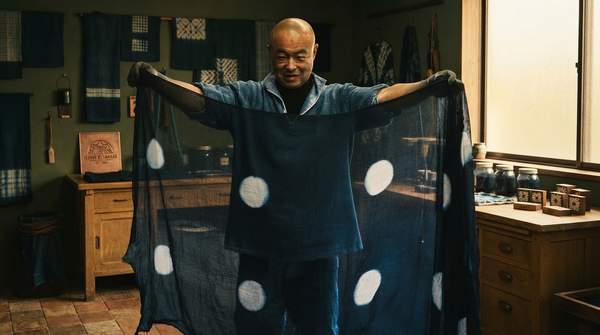
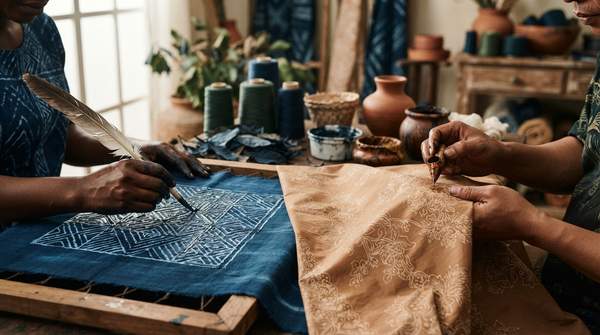
Shibori is a Japanese manual resist dyeing technique, producing intricate patterns by manipulating fabric—folding, twisting, pleating, or binding it—before immersion in dye, explains Craft Atlas. These manipulations create areas that resist the dye. A standard Yamato Natural Blend Indigo Dye Kit, containing just 10 grams of indigo, as noted in a Joann Journal entry, hints at the technique's remarkable efficiency.

Indeed, a single indigo dyeing kit can transform up to 15 yards of fabric, according to Architectural Digest, showcasing Shibori's exceptional material efficiency, a stark contrast to the resource-intensive demands of conventional textile production. Beyond its ecological benefits, the widespread availability of these kits empowers individuals to actively participate in sustainable fashion practices from their own homes.
Mastering the Dye Bath: Immersion, Repetition, and Oxidation
Achieving the desired depth of color in Shibori demands careful immersion. While the Joann Journal suggests a five to ten-minute dip in the indigo vat, Architectural Digest advises a shorter 1-2 minute soak, with the optimal dyeing time being a nuanced process dependent on desired shade, indigo blend, and fabric type. This variance reveals that optimal dyeing time is not fixed, but rather a nuanced process dependent on desired shade, indigo blend, and fabric type, demanding an artisan's judgment.
For a deeper shade of indigo, the dunking step can be repeated up to three times, according to the Joann Journal. Despite a relatively quick dyeing process per dip, the ability to repeat immersions allows for significant artistic control over color depth. After dyeing, the fabric needs at least 20 minutes to oxidize, a critical step that allows the indigo to fully develop its color and become permanent.
Shibori's Efficiency in Sustainable Fashion
Shibori's material efficiency stands as a powerful rebuttal to the textile industry's resource depletion. With just 10 grams of indigo dyeing 15 yards of fabric, as detailed by the Architectural Digest blog and Joann Journal, the technique offers a tangible pathway to waste minimization, a critical finding also highlighted by Iopscience Iop. This inherent efficiency positions Shibori not merely as an aesthetic preference, but as a viable artisanal counter-movement against the environmental burden of mass production, demonstrating that beauty and sustainability can, and must, coexist in textile creation.
The Artistic and Economic Impact of Shibori
Far from being a historical relic, the ancient Shibori technique actively shapes modern motifs that evoke contemporary tranquility, a point underscored by Iopscience Iop. This aesthetic adaptability ensures Shibori remains a relevant force in today's fashion landscape, captivating consumers who seek unique, handcrafted items over fleeting trends. The technique's inherent ability to produce diverse patterns through simple manipulation methods guarantees artistic individuality in every piece, fostering a deeper connection between wearer and garment. This growing consumer preference for bespoke, story-rich textiles directly fuels the growth of artisanal crafts, opening new economic avenues for skilled textile artists worldwide.
What are the basic Shibori dyeing techniques?
Shibori involves various manual resist dyeing techniques to create patterns. These include folding, twisting, pleating, or binding fabric before immersion in dye. Each method, such as Arashi (wrapped), Kanoko (tied), or Itajime (clamped), produces distinct designs, offering a wide range of artistic expression.
How is Shibori used in modern fashion?
Shibori is used in modern fashion to create unique, sustainable garments and accessories. Its patterns appear on everything from high-end designer collections to everyday wear, often utilizing natural indigo dyes for an authentic aesthetic. The technique aligns with trends favoring handcrafted, environmentally conscious products.
What materials are best for Shibori dyeing?
Natural fibers like cotton, linen, silk, and hemp are best for Shibori dyeing because they readily absorb natural indigo dyes. These materials also align with the sustainable principles of Shibori, minimizing the environmental impact of the textile production process. Synthetic fibers generally do not hold natural dyes as effectively.
By 2026, the demand for artisanal techniques like Shibori is projected to grow, with major fashion houses like Stella McCartney increasingly incorporating sustainable practices into their collections. This trend points to a broader industry shift towards valuing craftsmanship and environmental responsibility over sheer volume.