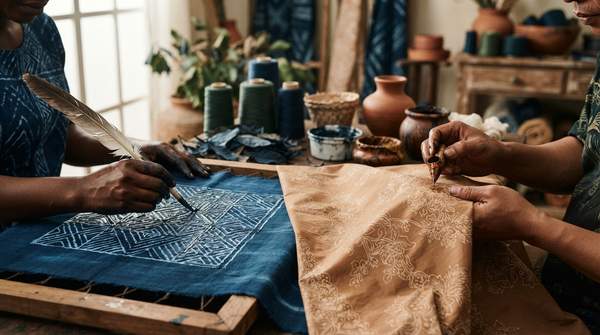
Adire and Batik are two celebrated resist-dyeing traditions that, while both creating stunning patterned textiles, are often confused. The fundamental difference lies in their cultural origins and the materials used to create the designs. Adire is a Nigerian textile art from the Yoruba people that traditionally uses tying, folding, or a starch paste to resist dye. In contrast, Batik, with its origins in Indonesia, is defined by its intricate use of hot wax as the primary resist material. Understanding these core distinctions in method, material, and tooling is key to appreciating the unique cultural heritage and artistic identity of each fabric.
Adire: The Nigerian Art of Pattern
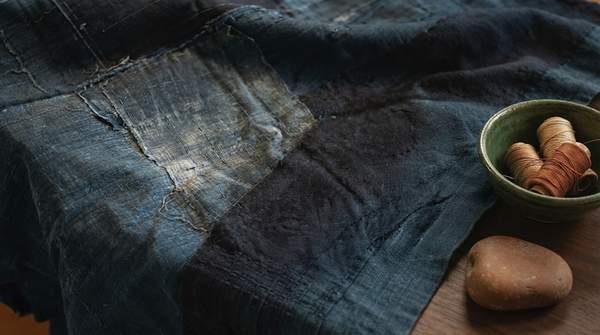
The term Adire comes from the Yoruba language and translates to "tie and dye," a name that points directly to one of its foundational techniques. This traditional Nigerian textile art involves creating intricate patterns by preventing dye from reaching certain parts of the fabric. Artisans may draw designs freehand or use stencils as a guide before applying the resist. One of the primary methods is physical resistance, where sections of the cloth are tied, folded, or stitched tightly with rope or thread. When the fabric is submerged in the dye bath—often a vat of natural indigo—these compressed areas are protected from the color.
Another significant Adire technique involves painting a design onto the fabric with a paste made from cassava or starch, which acts as a barrier. To achieve deep, rich colors, the cloth may be dipped multiple times. After the dyeing process is complete, the fabric is washed to remove the resist material, whether it be the ties or the paste, revealing the intricate, un-dyed patterns against the vibrant background.
Batik: Indonesian Wax Resist Mastery
Batik is a resist-dyeing technique most famously associated with Indonesia, although its practice has been adopted and adapted in other regions, including Nigeria. The defining characteristic of Batik is its use of hot liquid wax as the resist material. In The Dyer’s Art, Jack Lenor Larsen describes the process as involving "the application of fluid or semi-fluid substances which solidify on the cloth itself so as to render it impervious to the dyebath." While materials like resin, starch paste, or even mud can be used, the classic method employs a blend of hot wax, such as beeswax and paraffin.
Artisans apply the molten wax using specialized tools that allow for remarkable precision. A pen-like instrument called a tjanting is used for drawing fine lines, dots, and complex freehand motifs. For creating repeating patterns, artisans use copper stamps known as a cap. Once the wax design is applied and has hardened, the fabric is dyed. The waxed areas repel the color, preserving the original hue of the cloth beneath. This process can be repeated multiple times with different colors to create complex, multi-layered designs of great narrative and illustrative depth.