
Textile Science
5 articles
How Quick-Dry Fabrics Work: The Three-Stage Science of Wicking, Transport, and Evaporation
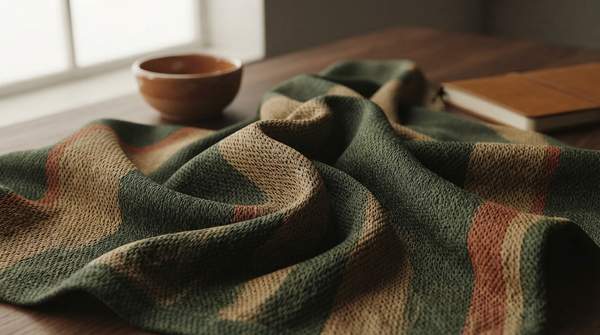
Quick-dry fabrics work through a three-stage process: wicking moisture from the skin, transporting it through the fabric via capillary action, and accelerating evaporation from the surface. Understanding the science behind fiber chemistry, yarn engineering, and fabric construction allows for effective evaluation of performance garments.

Why Fabric Softener Makes Towels Soft but Less Absorbent: The Chemistry Explained
Fabric softeners coat textile fibers with positively charged molecules, reducing friction for softness and static cling. However, this same coating creates a water-repelling barrier, significantly reducing the absorbency of towels, athletic wear, and microfiber.
Breathability Is Two Different Processes: How Fiber, Yarn, Weave, and Finish Control Moisture Vapor and Airflow in Fabric
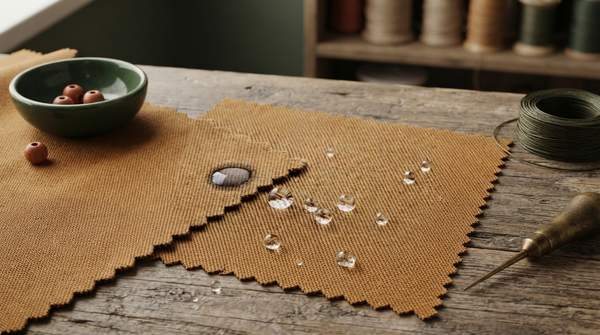
Fabric breathability is not a single property but a combination of two distinct processes: moisture vapor transmission and air permeability. The article explains how fiber, yarn construction, fabric structure, and finishing treatments collectively influence these mechanisms to control textile comfort.
How Wrinkle-Resistant Fabric Actually Works: Two Mechanisms, One Trade-Off
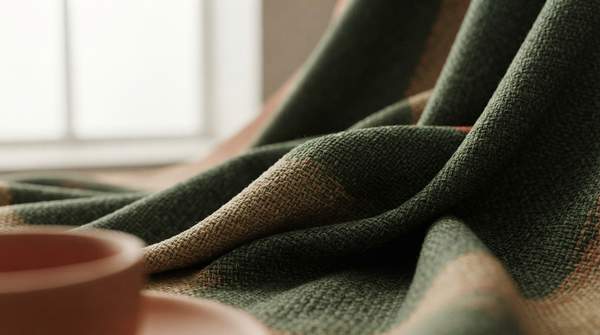
Fabric wrinkle resistance stems from two primary mechanisms: chemical cross-linking of fibers or inherent elasticity within the fiber's molecular structure. Understanding which method is used reveals trade-offs in feel, durability, and care.

How Sun-Protective Clothing Works: A Guide to UPF Fabrics
Sun-protective clothing's effectiveness is measured by its Ultraviolet Protection Factor (UPF), which indicates how much UVA and UVB radiation a fabric blocks. This protection is determined by four key factors: fiber type, weave density, color, and specialized treatments, with wear and washing also influencing the UPF rating over time.