What is the Shibori dyeing technique and its modern interpretations?

In Kyoto, the Kyoto Shibori Museum stands as the sole dedicated guardian of a 1200-year-old tie-dye tradition, showcasing its intricate artistry through bimonthly exhibitions.

FA
Fatima Al-Jamil

June 9, 2026 · 4 min read

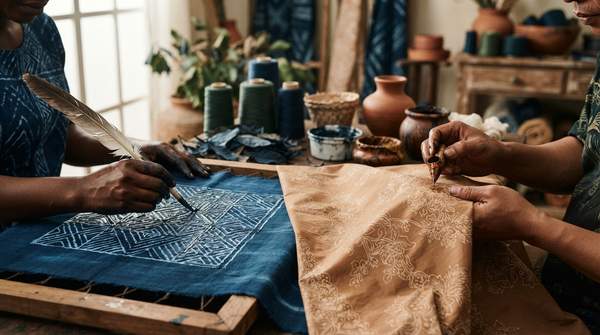
Artisan's hands carefully folding and binding fabric for the intricate Shibori tie-dyeing technique in a traditional Japanese setting.

In Kyoto, the Kyoto Shibori Museum stands as the sole dedicated guardian of a 1200-year-old tie-dye tradition, showcasing its intricate artistry through bimonthly exhibitions. This ancient Japanese Shibori dyeing technique, meticulous and labor-intensive, thrives in modern Japan, challenging perceptions that such specialized crafts struggle for relevance. Despite rapid industrialization, Shibori's deep cultural and artistic value ensures its dedicated preservation and ongoing appreciation, proving niche traditions can flourish.

Shibori's survival, relying on painstaking manual dexterity and years of mastery, counters the tide of automated production. Its demanding nature underscores a profound cultural commitment to preserving heritage through practice, ensuring generational techniques remain visible and valued.

A Legacy in Fabric: What is Shibori?

Shibori encompasses diverse Japanese resist-dyeing techniques. Fabric is shaped by binding, stitching, folding, twisting, or compressing before dyeing, creating intricate patterns by blocking dye. The practice dates to at least the 8th century, with fragments found in Nara's Todai-ji Temple, according to House of Wandering Silk. These early examples, often indigo-dyed silk or hemp, reveal the craft's consistent material and aesthetic foundations over centuries.

The term "Shibori" comes from "shiboru," meaning "to wring, squeeze, or press," reflecting the textile's physical manipulation. Methods like kanoko shibori (tie-dye circles) or itajime shibori (clamped linear patterns) each yield distinct designs. The artisan's control is highlighted by this precision, elevating simple cloth into complex visual narratives.

The Sole Sanctuary: Kyoto's Dedication to Tie-Dye

Kyoto, a hub for traditional Japanese arts, hosts Japan's only museum dedicated solely to tie-dye: the Kyoto Shibori Museum. This singular focus confirms Shibori's profound cultural importance and intricate nature, demanding dedicated preservation, according to Kyoto Travel. The museum serves as a critical institutional anchor, preventing the art form from fading amidst modernization.

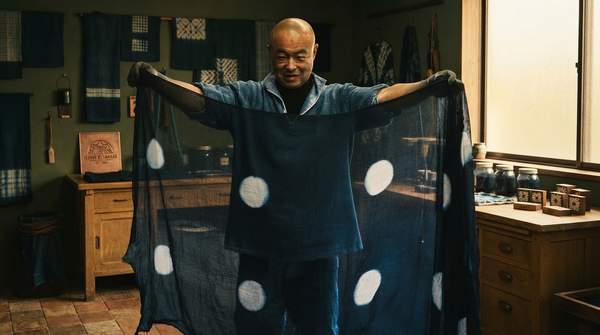
As the sole dedicated institution, the museum's existence reveals the precariousness of institutional support for ancient, labor-intensive crafts. Without this specific guardian, Shibori's extensive knowledge and diverse techniques would risk fragmentation or loss. Its role extends beyond display, offering a centralized space for research, education, and continuous practice. This effort ensures the art form's continuity and visibility.

Beyond History: Shibori's Living Artistry Today

The Kyoto Shibori Museum actively demonstrates Shibori's ongoing vitality through a dynamic exhibition schedule. Special exhibitions feature bimonthly, according to Kyoto Travel. This consistent rotation confirms Shibori as a living art form, not a static artifact, continually engaging audiences and inspiring new interpretations. Such frequent changes challenge the notion that ancient crafts are destined for unchanging display.

These bimonthly shows platform both historical and contemporary works, showcasing the technique's breadth and evolution. The museum's proactive engagement connects historical reverence with modern application, fostering renewed appreciation for Shibori's artistic depth. This ensures the art form remains relevant and accessible to new generations, solidifying its place in contemporary cultural discourse.

Your Shibori Questions Answered

What are the different types of shibori dyeing?

Shibori encompasses several distinct techniques, each creating unique patterns. Some prominent types include Kanoko shibori, where fabric is bound with thread to create small, dot-like patterns; Miura shibori, which involves looping and plucking sections of fabric; and Arashi shibori, where fabric is wrapped diagonally around a pole. Other methods include Kumo shibori (spiderweb patterns), Nui shibori (stitched resist), and Itajime shibori (clamp resist), where shaped blocks create geometric designs.

How is shibori different from tie-dye?

While tie-dye is a form of Shibori, Shibori is a broader category with a more intricate range of techniques focused on shaping the fabric into three-dimensional forms before dyeing. Tie-dye typically involves gathering and binding fabric with rubber bands or string to create abstract patterns, primarily by folding or crumpling. Shibori, in contrast, often uses more complex manipulations like stitching, pleating, and clamping, resulting in a wider variety of precise and deliberate patterns that reflect its long artisanal heritage.

What materials are used in shibori dyeing?

Traditional Shibori often uses natural fibers like silk, cotton, hemp, and linen, which readily absorb natural dyes such as indigo. Indigo, derived from plants, provides the deep blues often associated with classic Shibori textiles. Modern practitioners also experiment with other natural dyes and sometimes synthetic fabrics, though the best results for intricate resist patterns typically come from natural fibers that can hold their shaped form during the dyeing process.

The Enduring Thread of Shibori

The Kyoto Shibori Museum's bimonthly exhibitions prove that traditional, labor-intensive art forms can maintain dynamic public engagement. This active approach serves as a blueprint for other endangered arts, highlighting the precariousness of niche cultural preservation. The museum's dedication ensures Shibori's intricate techniques and historical narratives resonate globally.

By preserving and promoting Shibori, the museum ensures the art form remains a vibrant cultural heritage, not a relic. Its blend of ancient tradition and evolving expression maintains relevance in contemporary design and preservation. Looking ahead, the museum plans to collaborate with local textile schools, introducing itajime shibori techniques to over 300 students by the end of 2026, securing the craft's future.