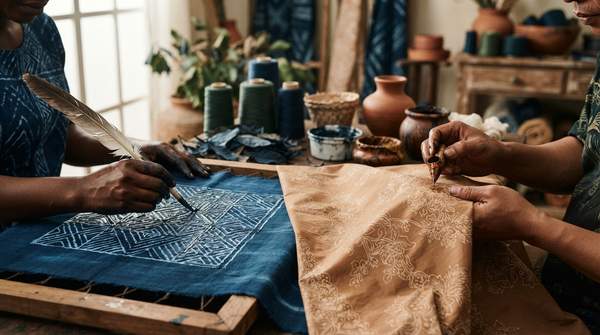
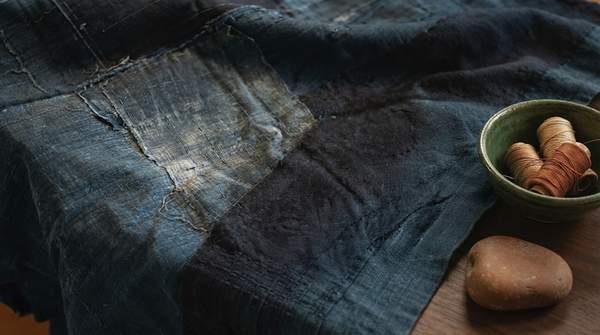
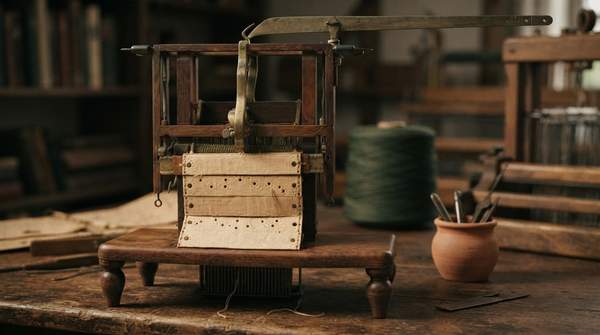
In Guatemala, local artisans are partnering with brands like Casa Edel. They transform ancient weaving, embroidery, and crochet techniques into high-quality contemporary textiles. This defies the pressures of mass production.
Traditional artisanal techniques often struggle against modern fashion trends and market demands. Yet, brands like Casa Edel prove that blending heritage with contemporary design allows these crafts to thrive.
Such ethical collaboration and design innovation with traditional artisans appears poised to lead the movement in sustainable, culturally rich fashion. This offers a viable alternative to conventional manufacturing.
The Collaborative Heart of Casa Edel
Casa Edel collaborates directly with Guatemalan artisans. They produce high-quality, handcrafted textiles. This model merges deeply rooted traditions with modern design aesthetics, as reported by SHOUTOUT LA. The brand specifically partners with local artisans, employing precise techniques like weaving, intricate embroidery, and crochet, detailed by whitelabel-project. This dual focus on tradition and contemporary appeal reveals Casa Edel's core value: the tangible craft itself, not just its narrative. These direct partnerships do more than preserve culture; they empower artisans by integrating their skills into a viable, modern product line, securing their economic future within the global market.
Weaving Stories: Sustainability and Cultural Value
Casa Edel values sustainability, quality, and the unique narratives within each fabric piece. The brand tells these stories through its products, celebrating personal moments via handcrafted items, according to SHOUTOUT LA. This focus elevates textile value beyond aesthetics. By prioritizing ethical production and compelling narratives, Casa Edel transforms textiles into meaningful objects. These items offer consumers a tangible link to cultural heritage, fostering a deeper appreciation for craftsmanship and establishing a premium market segment that mass production simply cannot replicate.
The Broader Landscape of Ethical Fashion
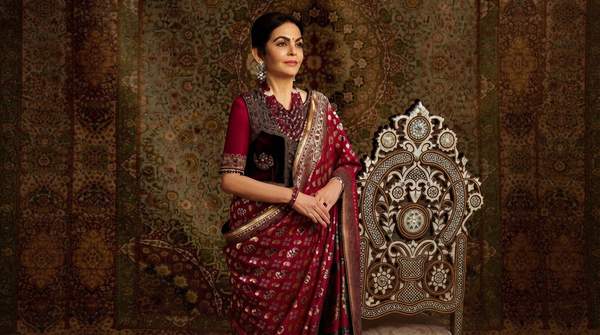
The success of brands like Casa Edel reveals a growing opportunity within the ethical fashion movement. This movement integrates social responsibility and environmental consciousness into textile production. Yet, significant hurdles persist. Scaling artisan collaborations and fundamentally shifting consumer behavior from fast fashion to sustainable alternatives remains a challenge. SHOUTOUT LA's emphasis on Casa Edel's commitment to 'sustainability, quality, and the stories behind every piece of fabric' suggests a powerful, untapped consumer demand. This demand for authentic narratives and ethical origins could revitalize traditional industries.
Common Questions About Artisan Collaboration
How is traditional weaving incorporated into modern clothing?
Designers integrate traditional weaving by applying specific patterns or motifs as accents on contemporary garments. They also use traditionally woven fabrics for entire pieces with modern silhouettes. This often means adapting historical textiles' weight and drape to suit current fashion demands, ensuring comfort.
What are the benefits of using traditional weaving techniques in fashion?
Traditional weaving techniques offer distinct benefits: unique textures, durable craftsmanship, and a reduced environmental footprint. These methods often use natural dyes and hand-operated looms, minimizing energy consumption and chemical waste.
What are some examples of designers using traditional weaving?
Beyond Casa Edel, designers like Carla Fernandez in Mexico or Dries Van Noten showcase traditional weaving. Van Noten has collaborated with artisans for specific collections. They often work directly with artisan communities, creating unique fabrics that become signature elements, highlighting regional craftsmanship.
The Future of Heritage Crafts in Fashion
If brands continue to genuinely integrate artisan collaboration and specific traditional techniques into modern design, the success of models like Casa Edel suggests cultural heritage and economic development will likely reinforce each other, shaping a more conscious fashion future.