
Textile Art
8 articles
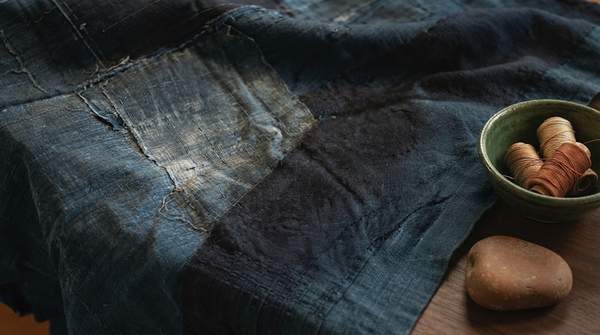
The Enduring Art of Boro: From Necessity to High Fashion
Boro, a traditional Japanese textile born from necessity, involves meticulously patching worn fabrics to extend their life. Once a symbol of poverty, its rich aesthetic and philosophy of 'mottainai' (regret over waste) are now celebrated in global art and luxury fashion, influencing sustainable design.

Natural Dyeing Methods: Artisan Craft and Industrial Potential
To achieve a naturally dyed textile, artisans often dedicate two full days to the process, soaking the fabric for 48 hours.

What Are Hand-Embroidered Textiles and Why Do They Matter in 2026?
A single hand-embroidered haute couture gown can demand over 2,000 hours of meticulous work from multiple artisans, yet many of these skilled creators earn less than $5 a day.

What Is Ikat Weaving and Why Does Its 'Feathered' Effect Matter?
For centuries, a slight blur in a textile pattern was not a mistake, but a deliberate, painstaking mark of skill and even talismanic power in cultures across India and South East Asia.

What Are Shibori Japanese Indigo Dyeing Techniques in Fashion?
Just 10 grams of indigo dye, combined with ancient Japanese techniques, can create unique patterns on up to 15 yards of fabric, offering a sustainable alternative to mass-produced textiles.

What Are Natural Dyeing Techniques for Heritage Colors and Sustainable Practices?
The U.S. Food and Drug Administration (FDA) will soon revoke authorization for synthetic dyes like Citrus Red No. 2 and Orange B, initiating a necessary move away from chemical colorants. This regulat

Why Natural Dyes Are Making a Comeback in Textile Art
Natural dyes are experiencing a significant resurgence in contemporary textile artistry, driven by environmental consciousness, a desire for unique aesthetic qualities, and innovative educational applications. This movement combines ancient traditions with modern scientific research and technological advancements.

What is the Shibori dyeing technique and its modern interpretations?
In Kyoto, the Kyoto Shibori Museum stands as the sole dedicated guardian of a 1200-year-old tie-dye tradition, showcasing its intricate artistry through bimonthly exhibitions.