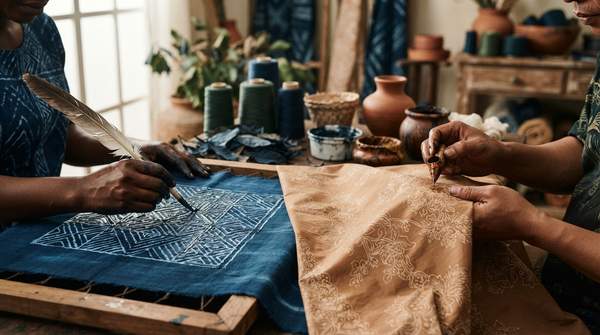
A single hand-embroidered haute couture gown can demand over 2,000 hours of meticulous work from multiple artisans, yet many of these skilled creators earn less than $5 a day. This extensive labor, documented by sources like green production and consumption of textiles and apparel, starkly contrasts with the meager daily wages received by artisans in regions such as Kashmir, India, and Oaxaca, Mexico, according to a Fair Trade Federation report. The economic imbalance is profound.
Hand embroidery is celebrated for its unparalleled artistry and commands premium prices in luxury markets, yet the artisans creating these masterpieces often face economic exploitation, and the craft itself is endangered. Brands like Hermès and Dior regularly feature hand-embroidered elements in their collections, commanding price points upwards of $10,000 for a single garment, as reported by Vogue Runway. The vast discrepancy between perceived value and artisan livelihood poses a critical ethical challenge.
Based on growing consumer demand for ethical sourcing and unique craftsmanship, coupled with the increasing scarcity of skilled artisans, the future of hand embroidery will likely bifurcate: a highly exclusive, ethically-driven luxury market, and a mass market saturated with machine-made imitations. Informed consumer choice becomes more critical than ever.
What Makes Hand-Embroidered Textiles Unique?
Hand embroidery holds a place on the UNESCO Intangible Cultural Heritage list, recognized for its artistic value and urgent need for preservation. It offers unique textural depth and irregularity that machine embroidery cannot replicate, making each piece distinct, notes eco-sustainability of the textile production: waste recovery. Furthermore, hand-embroidered textiles boast a significantly longer lifespan than machine-made alternatives due to superior material quality and stitch durability, according to the Textile Conservation Centre. The inherent human touch and cultural depth elevate hand embroidery beyond mere craft, making each piece a singular work of art that machines cannot replicate.
Navigating the Economics of Hand-Embroidered Textiles
Mastering hand embroidery requires 5-10 years of training for complex stitches and techniques, a significant barrier to scaling production, states the Royal School of Needlework. Machine embroidery, conversely, replicates intricate designs in minutes for pennies per piece, making it ideal for mass markets, observes embroidery market analysis 2026. The stark contrast in time and cost directly undermines the economic viability of hand craftsmanship.
The market is further complicated by counterfeit products, which mimic hand embroidery aesthetics using cheap machine methods, deceiving consumers and devaluing authentic artisan work, according to Customs and Border Protection. The immense skill and time invested in hand embroidery create a high-value product, yet this value is constantly eroded by machine efficiency and widespread counterfeits. The dynamic traps artisans in a cycle of underpayment, despite their irreplaceable skills.
Consumer Demand Shaping Hand-Embroidered Trends in 2026
Demand for bespoke hand-embroidered interior design pieces has surged by 40% in five years, driven by luxury clients seeking unique, personalized items, according to an Architectural Digest survey. Consumers increasingly prioritize transparent ethical sourcing and artisanal craftsmanship, with 60% stating it influences their purchasing decisions, reports a NielsenIQ Consumer Survey 2023. A robust market for ethically produced hand-embroidered textiles is emerging.
However, the global number of skilled hand embroidery artisans is declining, as younger generations opt for more stable or higher-paying jobs, notes the Crafts Council UK. A critical supply-demand crisis is created: a growing market for ethical, unique items clashes with a dwindling pool of creators, making consumer choices paramount for the craft's survival.
Common Questions About Hand Embroidery
Where can I buy authentic hand-embroidered textiles?
Independent artisans often use social media platforms like Instagram and Pinterest to connect directly with global buyers, bypassing traditional retail channels, according to Etsy Seller Data. The direct-to-consumer model offers greater transparency and often ensures fairer prices for the artisan.
How is hand embroidery passed down and preserved?
Many traditional techniques are passed down orally and through practice within families and communities, with few written records, making them vulnerable to loss, as highlighted by the Smithsonian Folklife Center. Institutions like MIT Media Lab are exploring digital tools and AI to document and preserve patterns and teaching methods, though these cannot replicate the essential human touch. The craft's survival depends on a blend of traditional transmission and modern documentation.
The Future of Hand-Embroidered Textiles
The global market for embroidered textiles, including both hand and machine methods, reached $30.5 billion in 2022, with hand embroidery occupying a premium segment, according to Grand View Research. The broader luxury goods market, where hand embroidery is prominent, is projected to grow 5-7% annually through 2027, as reported by Bain & Company. The growth trajectory presents a significant opportunity, but only if ethical practices become central to the industry's expansion.
Ethical sourcing certifications for artisanal crafts are gaining standardization and consumer recognition, states Textile Exchange. The future of hand embroidery depends on a conscious shift towards valuing ethical production and unique craftsmanship, transforming it from a threatened art into a sustainable luxury industry driven by informed consumer demand. By 2027, luxury brands failing to adopt transparent, ethical sourcing for their hand-embroidered collections will likely face significant consumer scrutiny and market share erosion, according to projections from Bain & Company.