
Natural Dyes
6 articles
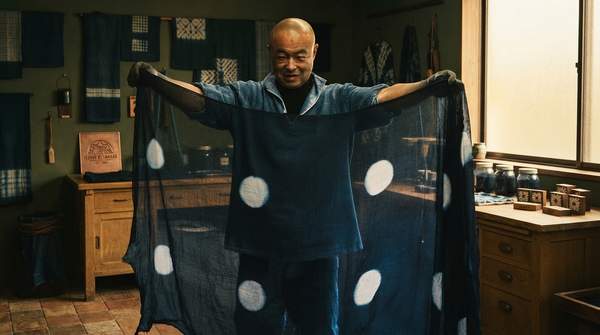
Three Traditions, One Palette: Comparing Chinese Silk Dyeing, Japanese Aizome and Indian Block Printing
This article compares three distinct Asian natural dyeing traditions: Chinese silk dyeing, Japanese Aizome, and Indian block printing. It explores their unique materials, historical evolution, and the ongoing efforts to preserve these rich textile crafts.
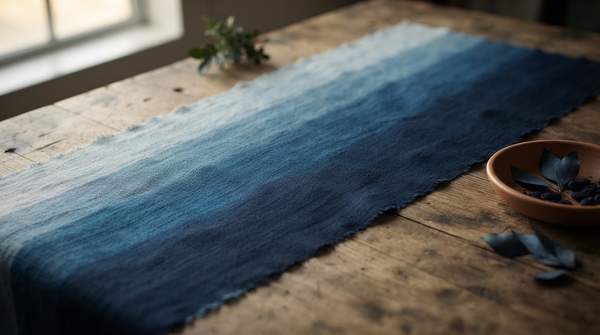
Natural vs. Low-Impact Synthetic Dyes: How to Choose the Right Sustainable Color for Your Textiles
Choosing between natural and low-impact synthetic dyes involves trade-offs: natural dyes offer renewable sourcing but face challenges in performance and scale, while low-impact synthetics provide durability and consistency with a reduced environmental footprint. The right choice depends on brand priorities, production volume, and verifying claims through third-party certifications.

What Are Natural Dyeing Techniques for Heritage Colors and Sustainable Practices?
The U.S. Food and Drug Administration (FDA) will soon revoke authorization for synthetic dyes like Citrus Red No. 2 and Orange B, initiating a necessary move away from chemical colorants. This regulat

Natural vs. Synthetic Dyes: Which Causes More Textile Pollution?
Approximately 10-15% of synthetic dye used in textile dyeing is not fixed onto the fabric and is released into the environment through wastewater, according to advancements in sustainable natural dyes

What is Cochineal Dye? History, Process, and Modern Applications
In a controlled laboratory setting, an acrylic box system, designated STC-01, is achieving an unprecedented yield: 4.

Why Natural Dyes Are Making a Comeback in Textile Art
Natural dyes are experiencing a significant resurgence in contemporary textile artistry, driven by environmental consciousness, a desire for unique aesthetic qualities, and innovative educational applications. This movement combines ancient traditions with modern scientific research and technological advancements.