Once the exclusive source of color for fabrics until the mid-19th century, natural dyes are experiencing a significant resurgence in contemporary textile artistry. This renewed interest is not a simple return to the past but a multifaceted movement driven by a convergence of environmental consciousness, a desire for unique aesthetic qualities, and innovative educational applications. As researchers and artists alike seek more sustainable alternatives to synthetic dyes, the vibrant and complex world of colors derived from plants, minerals, and other natural sources is being rediscovered and redefined for the modern era.
The movement gains momentum from scientific research aiming to tackle environmental issues associated with the textile industry. A 2023 review in Advancements in Sustainable Natural Dyes for Textile Applications highlights that natural dyes are gaining serious attention from researchers as a more sustainable option. This scientific push, combined with the rich, layered hues championed by traditional artisans and the hands-on learning opportunities they provide, positions natural dyes at a compelling intersection of tradition, innovation, and ecological responsibility.
The Three Pillars of Natural Dye Resurgence
The contemporary revival of natural dyes is supported by three distinct yet interconnected motivations. Understanding these drivers—scientific, artistic, and educational—provides a clear framework for why this ancient practice is becoming increasingly relevant in modern textile arts.
-
Scientific and Environmental Drivers
The primary catalyst for the renewed focus on natural dyes is the search for sustainable alternatives to their synthetic counterparts. Growing environmental concerns have prompted researchers to explore natural sources for color, focusing on innovations in extraction techniques, substrate preparation, and the dyeing process itself. The goal is to create more eco-friendly methods that reduce the textile industry's environmental footprint. This includes advanced research into new technologies, such as the use of ultrasound to enhance coloration, which aims to bring modern efficiency to an age-old practice. -
Artistic and Aesthetic Drivers
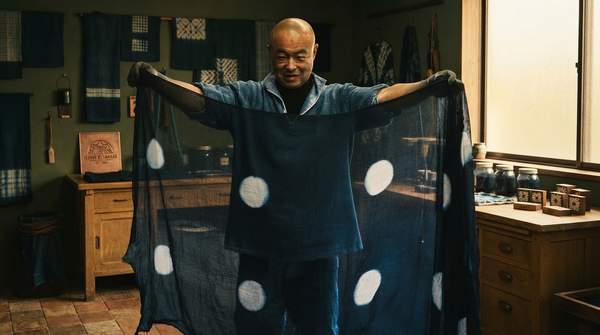
For many textile artists, the appeal of natural dyes lies in their unique aesthetic qualities. Unlike the uniform results of many chemical dyes, natural tinctures can produce deep, rich colors with a complexity that cannot be easily replicated. Textile artist Yuka Ohgomori, for example, demonstrates this through her work, which uses repeated immersions in natural dye baths to layer hues and create fascinating, poetic results. Traditional techniques like shibori, when combined with natural dyes, allow for an expressive depth and a tangible connection to the material world that many contemporary creators find compelling. -
Educational and Process Drivers
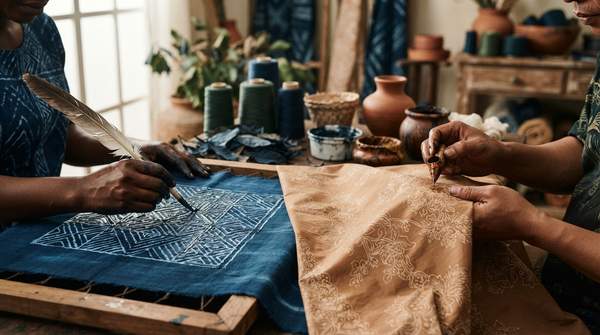
In educational settings, natural dyes offer a powerful tool for teaching process-oriented art. Techniques like eco-printing, which uses natural materials to create prints on fabric, encourage students to slow down, observe closely, and experiment. According to The Art of Education University, these practices connect students to concepts of sustainability and science while also shifting their understanding of creativity. The process teaches that art can emerge from allowing materials to surprise you, rather than from strictly controlling them, fostering a different kind of creative thinking.