Threads & Fabric
Accessory NotesBeauty ThreadHome TextureThe Style ReportTravel in StyleSustainable StitchInnovation LabArtisan SpotlightMarket Trends
Threads & Fabric

Weaving together style, substance, and sustainability.

A premier fashion, textile, and lifestyle publication covering apparel, accessories, beauty, home decor, sustainability, textile innovation, global artisans, and industry trends.

Sections

  • The Wardrobe Edit
  • Accessory Notes
  • Beauty Thread
  • Home Texture
  • The Style Report
  • Travel in Style
  • Sustainable Stitch

Writers

Meet our writers →

Trending Topics

JewelryFashionGemstonesSustainable FashionAnti AgingTravel TrendsHome DecorInterior Design

About

  • Contact
  • Privacy Policy
  • Terms of Service

© 2026 Threads & Fabric. All rights reserved.

  1. Home
  2. /Artisan Spotlight
  3. /What Is Ikat Weaving and Why Does Its 'Feathered' Effect Matter?
Artisan Spotlight

What Is Ikat Weaving and Why Does Its 'Feathered' Effect Matter?

For centuries, a slight blur in a textile pattern was not a mistake, but a deliberate, painstaking mark of skill and even talismanic power in cultures across India and South East Asia.

FA
Fatima Al-Jamil

August 22, 2026 · 7 min read

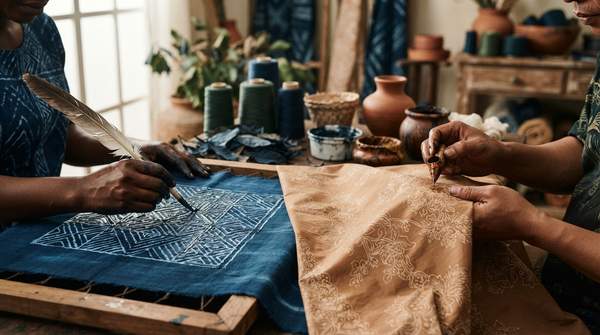
Close-up of artisan's hands tying threads for an ikat textile, with vibrant, partially woven fabrics in the background.

For centuries, a slight blur in a textile pattern was not a mistake, but a deliberate, painstaking mark of skill and even talismanic power in cultures across India and South East Asia. This distinctive aesthetic, known as ikat, transcends mere decoration, carrying deep spiritual significance and serving as a testament to human ingenuity. Its unique visual quality, often seen in textiles dating back generations, reflects a profound cultural reverence for the craft.

Modern manufacturing often strives for perfect uniformity, but ikat's most prized characteristic is its deliberate, subtle blur created by a complex, ancient process. This tension between machine-like precision and handcrafted uniqueness defines its enduring appeal. While machines produce flawless repetitions, ikat’s inherent variations celebrate the human element.

As appreciation for artisanal craft and unique cultural narratives grows, ikat's distinctive 'imperfections' are likely to further elevate its status as a luxury and heritage textile. This increasing demand underscores a global shift towards valuing authenticity and the intricate stories embedded within handmade goods, demonstrating that true artisanal value lies not in machine-like precision, but in the visible human touch and the intricate, often unpredictable, processes that create unique beauty, a lesson modern mass production often overlooks, as evidenced by the painstaking resist-dyeing technique described by The Washington Post and cabanamagazine.

The Enduring Mystique of Ikat

In India and South East Asia, historical beliefs held that ikat cloth possessed talismanic powers, imbuing these textiles with a spiritual dimension beyond their aesthetic appeal, according to tatter. The ancient belief that ikat cloth possessed talismanic powers underscores the profound cultural reverence for ikat, positioning it as more than just a textile. It suggests that the perceived 'imperfections' or unique qualities of ikat were not flaws but rather integral to its mystical properties.

The deep cultural reverence for ikat, stemming from these historical beliefs, highlights a distinct contrast with modern industrial perceptions of perfection. Unlike mass-produced fabrics where uniformity is the hallmark of quality, ikat's handmade nature, with its inherent variations, was historically linked to spiritual significance. This connection between unique aesthetics and perceived power elevates ikat beyond a simple craft, making it a powerful symbol of heritage and artisanal mastery that machines cannot replicate, a notion underscored by the historical belief in its talismanic properties, as noted by tatter.
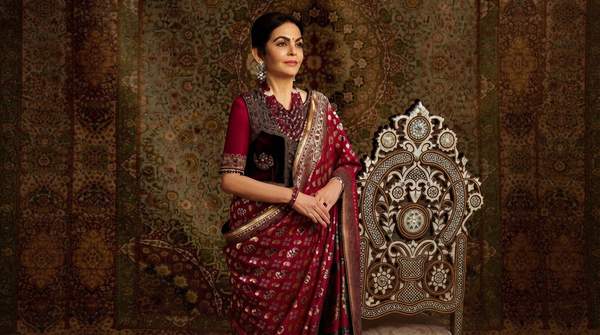
The cultural significance of ikat further solidifies its place as a cherished heritage textile. The stories woven into each piece, combined with the belief in its protective qualities, contribute to its enduring value. These narratives of protection and power are passed down through generations, enriching the cultural fabric of communities where ikat is traditionally produced.

What is Ikat Weaving?

Ikat is a resist-dye process where yarns are dyed before the fabric is woven, with sections bound by impermeable material to prevent dye penetration, as detailed by cabanamagazine. This pre-weaving dyeing process is the defining characteristic that sets ikat apart from other patterned fabrics. Unlike prints applied to finished cloth, ikat's design is embedded directly into the threads themselves, demanding a high degree of foresight and planning from the artisan.

The technique involves meticulously planning the pattern on the individual warp or weft threads, or sometimes both, before they ever reach the loom. Artisans tie off specific sections of yarn with tightly wound bindings, which act as a resist against the dye. When the unbound sections are submerged in dye baths, they absorb color, while the bound sections remain undyed, preserving the original yarn color.

This intricate method means that the pattern emerges not from surface application, but from the careful manipulation of dyed and undyed threads during the weaving stage. The fundamental difference in production — dyeing before weaving — is what gives ikat its unique aesthetic and distinguishes it from patterns applied to already woven fabric, highlighting the depth of its artisanal process.

The Intricate Process Behind the Pattern

In ikat, resist dyeing is achieved by binding yarn sections with tight wrapping in a desired pattern, followed by dyeing, and potentially repeating with new bindings and colors, according to craftatlas. The multi-stage binding and dyeing process reveals the extraordinary precision and foresight required from ikat artisans. Each color in a complex ikat design necessitates a separate binding and dyeing cycle, demanding meticulous planning for the final pattern to emerge correctly.

Artisans must visualize the complete design before any dyeing begins, mapping out which sections of yarn need to be protected from specific dyes. This is often done by stretching the yarns on a frame and marking the pattern. The binding material, traditionally natural fibers or plastic, must be tightly secured to prevent any dye seepage into the protected areas. This initial preparatory work can take weeks, depending on the complexity of the desired pattern and the number of colors involved.

After the first dye bath, the bindings may be removed from certain sections and new ones applied to others, allowing for the introduction of additional colors. This iterative process of binding, dyeing, and re-binding is what creates the layered, multi-hued patterns characteristic of fine ikat. The very difficulty in perfectly aligning dyed yarns during weaving, which creates the characteristic blur, transforms a technical challenge into a prized artistic signature, distinguishing it from perfectly uniform patterns.

The Painstaking Art of Ikat

Ikat textiles are made using a painstaking resist-dyeing technique, as reported by The Washington Post. The term 'painstaking' highlights the immense human effort and dedication embedded in each piece of ikat fabric. This labor-intensive process, from the initial yarn preparation to the final weaving, requires both exceptional skill and considerable time, often spanning several months for a single elaborate textile.

Every step, from the precise measurement and binding of threads to the careful immersion in natural dye baths, contributes to the overall artistry. Artisans develop an intuitive understanding of how different fibers will react to dyes and how the bindings need to be adjusted for optimal resist. This deep knowledge is typically passed down through generations, making each artisan a custodian of ancient techniques.

The manual nature of ikat production stands in stark contrast to automated textile manufacturing. Each knot tied, each thread dyed, and each pass of the shuttle carries the imprint of human hands. This human touch is what infuses ikat with its unique character, ensuring that no two pieces are ever exactly alike, and reinforcing its status as a highly valued artisanal product.

The Signature Blur: A Mark of Authenticity

Ikat patterns are created in the yarns before weaving, resulting in a characteristic 'blurriness' or feather-like effect due to dye bleeding and thread movement during weaving, according to Nature. This 'blurriness' is a direct consequence of the artisanal process, making each ikat piece uniquely identifiable and authentic. While craftatlas states that blurriness can be reduced with finer yarns or skilled craftspeople, implying it is a technical challenge to overcome, Nature and cabanamagazine describe the blur as an inherent characteristic resulting from dye bleeding and thread movement. This suggests that while skill can refine the blur, the blur itself is an intrinsic and unavoidable part of the ikat technique, not merely a defect to be eliminated by greater skill.

The inherent 'blurriness' in ikat is not a result of a lack of skill, but an unavoidable byproduct of a highly complex and painstaking resist-dyeing process that ultimately defines its unique aesthetic. It is a visual signature that signifies the handmade origin and the intricate journey of the yarns through multiple dyeing stages. This distinctive quality differentiates it from perfectly uniform patterns found in printed fabrics.

This characteristic blur is also a key indicator of genuine ikat. The slight imperfections and variations in the pattern confirm that the textile has undergone the traditional resist-dyeing method, rather than being a machine-printed imitation. Therefore, the blur becomes a mark of authenticity, celebrated by connoisseurs and collectors as a testament to the artisan's profound mastery over a challenging process.

Understanding the 'Feathered' Effect

How is Ikat fabric made?

Ikat fabric is made through a resist-dyeing process where individual yarns are bound and dyed before being woven into cloth. The characteristic blurred effect occurs when the alignment of unbound threads on the loom merges adjacent colors, often with slight color seepage at binding edges, according to cabanamagazine. This careful pre-dyeing of warp or weft threads, or both, allows the pattern to emerge organically during the weaving process.

What are contemporary uses of Ikat patterns?

Contemporary uses of ikat patterns extend beyond traditional clothing to include modern home furnishings, such as upholstery, curtains, and decorative pillows, often blending traditional motifs with modern color palettes. Additionally, fashion designers incorporate ikat into high-end collections, utilizing its unique texture and visual depth for dresses, jackets, and accessories, appealing to consumers seeking artisanal and globally-inspired textiles in 2026.

Is Ikat still popular in fashion?

Yes, ikat remains popular in fashion, particularly within luxury and artisanal segments, due to its distinctive aesthetic and the narrative of handcrafted quality it conveys. Designers continue to feature ikat in runway collections and ready-to-wear lines, often reinterpreting traditional patterns in contemporary silhouettes, appealing to consumers who value unique, ethically sourced textiles over mass-produced items.

Skill in Imperfection: The Artisan's Touch

A characteristic 'blurriness' in ikat designs results from the difficulty in aligning dyed yarns perfectly during weaving, which can be reduced with finer yarns or skilled craftspeople, according to craftatlas. The ability to control and even minimize this inherent blurriness through skill and material choice elevates ikat from a simple technique to a true art form. This control, rather than elimination, of the blur is a hallmark of an experienced artisan.

The enduring appeal of ikat demonstrates that true artisanal value lies not in machine-like precision, but in the visible human touch and the intricate, often unpredictable, processes that create unique beauty, a lesson modern mass production often overlooks. Artisans who master ikat weaving develop an acute understanding of how dye penetration, thread tension, and loom alignment influence the final pattern, allowing them to intentionally manipulate the blur for artistic effect.

In an era obsessed with digital perfection, ikat stands as a powerful reminder that the 'flaws' born from complex human skill can carry more cultural weight and perceived power than any perfectly replicated pattern. The global market for handcrafted textiles is projected to continue its growth, with consumers increasingly prioritizing uniqueness and the demonstrable skill behind products like ikat, ensuring its continued relevance and value.

Tags

IkatTextile ArtWeavingArtisan SpotlightCultural HeritageHandicraftsTraditional Crafts
FA

Fatima Al-Jamil

Global Correspondent

As Global Correspondent for Threads & Fabric, Fatima Al-Jamil investigates the global textile supply chain, focusing on labor rights, agricultural practices, and heritage crafts. Her reporting combines rigorous investigative journalism with deep empathy to highlight the socio-economic impacts on local artisan communities.

More from Artisan Spotlight

Artisan's hands meticulously folding and tying fabric for Shibori indigo dyeing, with a vat of deep blue dye in the background.

What Are Shibori Japanese Indigo Dyeing Techniques in Fashion?

Just 10 grams of indigo dye, combined with ancient Japanese techniques, can create unique patterns on up to 15 yards of fabric, offering a sustainable alternative to mass-produced textiles.

Fatima Al-Jamil· Jul 21
Close-up of a Guatemalan artisan's hands weaving intricate patterns on a traditional loom, with finished textiles displayed nearby.

What Is Casa Edel's Approach to Revitalizing Traditional Weaving in Fashion?

In Guatemala, local artisans are partnering with brands like Casa Edel.

Fatima Al-Jamil· Jul 16
Vibrant, naturally dyed fabrics with rich textures and organic patterns displayed in a sunlit, rustic workshop, showcasing heritage colors and sustainable artistry.

What Are Natural Dyeing Techniques for Heritage Colors and Sustainable Practices?

The U.S. Food and Drug Administration (FDA) will soon revoke authorization for synthetic dyes like Citrus Red No. 2 and Orange B, initiating a necessary move away from chemical colorants. This regulat

Fatima Al-Jamil· Jul 10
Spanish artist Bad Gyal, the new global brand ambassador for Dsquared2, posing confidently in a striking Dsquared2 outfit.

Dsquared2 names Bad Gyal its first global brand ambassador

In a significant strategic pivot, luxury fashion house Dsquared2 named Spanish artist Bad Gyal as its first-ever global brand ambassador in June 2026.

Fatima Al-Jamil· Jun 25

Trending Now

1
How to Choose a Luxury Gift for Her at Habebe Couture

How to Choose a Luxury Gift for Her at Habebe Couture

Accessory Notes· 1 view
2
Split image showing a high-fashion Gucci fragrance campaign and authentic Kayali influencer unboxing, representing different social media strategies.

Top 10 Fragrance Brands Dominate Social Media Engagement

The Style Report· 1 view
3
What Actually Happens When You Use Elfida's Atelier's Custom Bespoke Couture Appointments

What Actually Happens When You Use Elfida's Atelier's Custom Bespoke Couture Appointments

The Style Report· 1 view
4
A woman happily unboxing a curated clothing subscription box, showcasing the excitement of receiving personalized fashion items for a versatile wardrobe.

Women's Clothing Subscription Boxes for Versatile Wardrobes in 2026

The Wardrobe Edit· 1 view