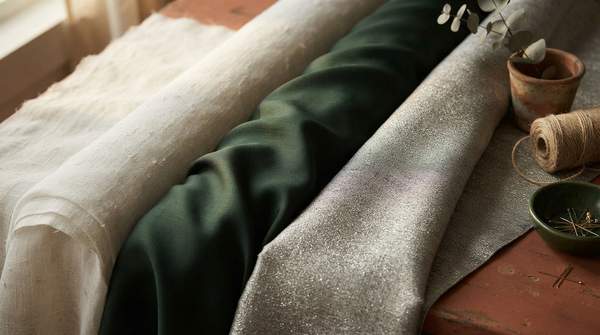
The choice between polyurethane (PU) and acrylic textile coatings comes down to one central trade-off: flexibility and water resistance on one side, UV stability and color fastness on the other. PU coated fabrics are lightweight and flexible, combining durability with water resistance, which suits applications requiring movement and drape, such as furniture upholstery. Acrylic coated fabrics, by contrast, excel in heavily trafficked and outdoor settings where resistance to sunlight and fading matters most—but they run stiffer, which limits drape. Neither coating is universally superior; the right pick follows directly from what the finished textile must endure.
Polyurethane (PU) Coatings: Flexibility and Durability
Polyurethane coatings work by applying a layer of PU to a base fabric such as polyester or nylon, according to coated-fabric supplier Falcon Products. The result is a fabric that remains lightweight and flexible while gaining durability and water resistance. That combination is unusual among coated fabrics, many of which stiffen noticeably once a polymer layer is bonded to the textile, and it explains why PU is the default consideration for anything that must move, bend, or drape over a frame or body.
The same supplier's guidance highlights two practical characteristics worth weighing. First, PU coated fabrics are water-resistant, providing what it describes as a good amount of protection against rain and moisture—not full waterproofing under all conditions, but dependable protection for typical wet-weather exposure. Second, PU coatings can vary in thickness, and that thickness is not a free parameter: different thicknesses produce different levels of water repellency and breathability. A heavier PU layer pushes water resistance up at the cost of breathability, while a thinner layer preserves airflow but tolerates less moisture. This thickness dial is the main lever a specifier has within the PU family, and it should be set against the expected wetness of the environment rather than assumed.
Because PU is more flexible than some other coated fabrics, Falcon Products specifically recommends it for applications requiring movement and drape, naming furniture upholstery as the example. Any use case that shares upholstery's demands—repeated flexing, shaping over contours, a hand that should not feel boardy—falls on the PU side of the ledger.