Clothes shrink because of three distinct physical processes — relaxation, progressive shrinkage, and felting — not one generic failure of the fabric. Which process dominates depends on two things you can check before you ever start a wash cycle: the fiber your garment is made of, and how that fabric was constructed. A cotton t-shirt and a polyester workout top behave completely differently in the machine, and textile industry guides explain exactly why. Once you can identify the mechanism, you can pick the care routine that actually prevents the damage.
Understanding Fabric Shrinkage: The Core Mechanisms
Textile guides break shrinkage into three types, and each works differently. The first is relaxation shrinkage. During spinning, weaving, and knitting, fibers and yarns are stretched and held under tension. The first wash releases that stored tension, and the fabric contracts toward its natural state. This is the shrinkage you typically see after a single wash of a new cotton or linen garment.
The second type is progressive shrinkage. This one builds gradually over multiple washes. Fiber guides attribute it to repeated swelling and entanglement of fibers during laundering, and it is most often seen in wool, rayon, and viscose. Each wash cycle swells the fibers with water; as they swell and dry again, they creep a little closer together.
The third is felting shrinkage, and it is specific to wool and other animal fibers. Wool fibers are covered in surface scales. Under heat, moisture, and mechanical motion — precisely the conditions inside a washing machine — those scales interlock and ratchet the fibers irreversibly toward each other. That is why a wool sweater thrown into a hot cycle can emerge stiff, dense, and several sizes smaller.
Cotton Incorporated's technical materials add the physics behind the first mechanism: cotton fibers absorb water and swell, then "deswell" as they dry. Tumble drying without tension applies mechanical compression along with heat, which is what allows maximum drying shrinkage to occur. In other words, the dryer is not a passive stage — it actively drives the contraction.
Why Your Clothes Shrink: Fiber Type and Fabric Structure
Can you predict shrinkage risk just by looking at a garment label? Largely, yes. Two rules recur across the textile guides: natural fibers shrink more than synthetics, and knitted fabrics shrink more than wovens.
Why does the fiber matter? Cotton, linen, and viscose are hydrophilic — they absorb a lot of water, swell, and lose stability while wet. Polyester behaves differently. As a thermoplastic fiber that is heat-set during production, it retains its dimensions and carries low shrinkage risk. Wool's risk comes not from water absorption alone but from its scale structure, which makes it vulnerable to felting under agitation.
Why does construction matter? A knit is a looped structure with lots of give; those loops can tighten considerably when tensions release or fibers swell. A woven — interlaced warp and weft yarns at right angles — is inherently more stable. Fabric guides note that woven fabric shrinks less than knitted fabric, and that yarn thickness and fabric density also play a role. The tension applied during production matters too: fabric woven or knitted under higher tension has more stored stress to release in the first wash.
Shrinkage Risk and Prevention at a Glance
Use this table to look up a garment, see which mechanism is its main threat, and identify the single most effective countermeasure. The susceptibility ratings come from a textile testing guide that ranks common garment types by shrinkage tendency.
| Garment | Shrinkage Tendency | Primary Mechanism | Why It Shrinks | Best Prevention |
|---|---|---|---|---|
| Cotton t-shirt (knit) | High | Relaxation | Knitted structure plus water-absorbing cotton fibers release manufacturing tension | Cold water, gentle cycle, air dry or tumble low |
| Denim jeans (woven) | Moderate to high | Relaxation | Cotton yarn relaxation after washing, even in a woven structure | Choose pre-shrunk options; wash cold, air dry |
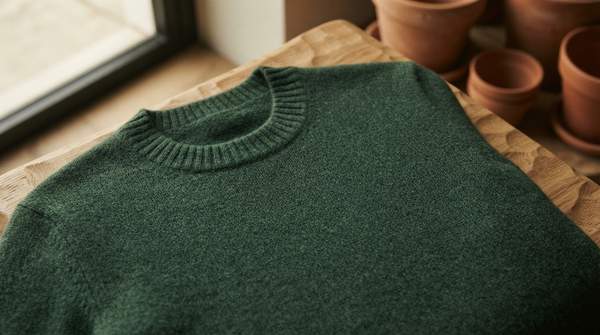
| Wool sweater | Very high | Felting and progressive | Surface scales interlock under heat, moisture, and agitation; fibers entangle over repeated washes | Dry clean, or hand wash cold with minimal agitation and dry flat |
| Viscose/rayon garment | High | Progressive | High water absorption and weak wet stability cause gradual contraction | Minimize wash cycles; follow gentle care labels |
| Polyester sportswear | Low | Minimal | Thermoplastic fiber stays dimensionally stable after heat setting | Standard cool washes; avoid high dryer heat |
| Cotton towel | High | Relaxation | Loop pile structure absorbs more water | Wash cool; expect some first-wash shrinkage |
| Blended fabric | Moderate | Depends on blend | Shrinkage follows the blend ratio and finishing | Check fiber content and care label |
| Formal woven shirt | Low to moderate | Relaxation | Stable woven construction and resin finishing | Normal cool laundering is usually sufficient |
Read down the fiber column and a pattern emerges: the more water a fiber absorbs and the looser its structure, the greater the risk. Polyester sportswear sits at the bottom of the table precisely because it does neither.
Practical Strategies for Shrinkage Prevention
The good news is that most of the shrinkage in this table is controllable at home. Your washing and drying choices either release stored tensions gently or violently — and the difference between the two is mostly heat and agitation.
Washing temperature and cycle. Cold water reduces fiber swelling, which limits the driving force behind relaxation and progressive shrinkage. Gentle cycles cut the mechanical agitation that triggers felting in wool and accelerates entanglement in rayon and viscose. Fabric guides recommend gentle cycles or dry cleaning for wool and delicate fibers.
Drying method. This is where the biggest decisions happen. Tumble drying combines heat with mechanical compression — the exact conditions cotton's swelling-and-deswelling physics uses to shrink fabric, as the Cotton Incorporated guide describes. Air drying instead removes both heat and tumbling, letting the garment relax under its own low stress. Air drying is the single most broadly effective prevention step for natural-fiber garments.
Special handling for wool. Wool needs the strictest protocol: dry cleaning is recommended as the best method for woolen garments, since they are particularly prone to shrinkage. If you hand wash, use cold water, minimal agitation, and dry the sweater flat so its weight doesn't stretch the wet, vulnerable fabric.
Buying smarter. Prevention starts at purchase. Pre-shrunk and resin-finished garments have already had much of their relaxation shrinkage removed, which is why formal woven shirts rank low in the table. Garments cut from fabric that was allowed to stabilize before cutting are also less likely to twist or pucker later — a point Svegea of Sweden, a fabric-machine manufacturer, emphasizes for garment production. Checking fiber content and construction (knit versus woven) before buying tells you what care commitment you are signing up for.
One honest caveat: as the textile guides note, shrinkage cannot always be eliminated — but it can be controlled. And this article deliberately stops at prevention; it does not cover unshrinking a garment that has already felted or relaxed.
Making Informed Choices for Garment Care
By understanding the specific shrinkage mechanisms affecting different fabrics, you can confidently choose appropriate washing, drying, and purchasing strategies to maintain garment fit and extend lifespan. The framework is simple: identify the fiber, identify the construction, and match your care routine to the mechanism that threatens it. Heat and agitation are the enemies of wool; swelling is the enemy of cotton and viscose; polyester needs almost nothing from you.
The measurable result is a reduced incidence of unexpected garment shrinkage after laundering. Watch the first wash of any new natural-fiber garment — that is when relaxation shrinkage strikes — and check fit after switching your cotton knits to cold water and air drying. If garments come through several cycles unchanged, your care routine is doing its job.