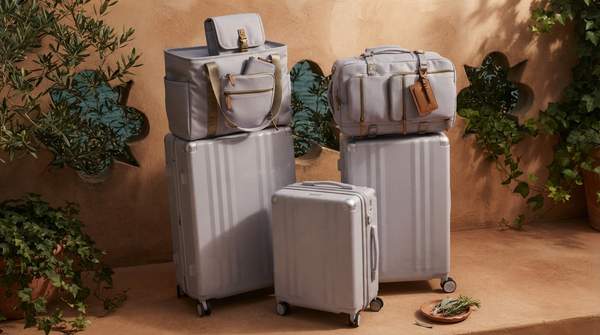
The right travel bag is not the one with the best marketing—it is the one whose material, organization, and mobility features match how you actually travel. Samsonite's buying guide distills the evaluation into six checks: capacity matched to trip length, a weight you can lift overhead, wheels suited to your terrain, interior organization, a built-in lock, and a shell material that fits how roughly your bags get handled. This guide turns those checks into a working framework, then maps them to three traveler profiles so you can see exactly which trade-offs you are accepting.
Introduction: Beyond Style – The Functional Traveler's Guide
Most luggage advice collapses into two unhelpful extremes: generic checklists that never tell you what to prioritize, and "best of" lists that review specific models rather than teach evaluation. GearLab's carry-on testing, led by reviewer Jason Wanlass, takes a different approach—scoring cases on layout logic, add-ons such as toiletry cases or removable totes, zipper function, and the ability to pack unique payloads, then comparing style against peers to determine the best application for each case, whether business, leisure, or adventure.
That last step is the one most shoppers skip. A feature that is a genuine asset for one traveler is a liability for another: spinner wheels glide through terminals but suffer on rough terrain; external pockets speed up airport security but create a less streamlined, less secure silhouette. The framework below makes those trade-offs explicit rather than accidental.
Two boundaries apply throughout. This is a product-agnostic evaluation guide, not a "best of" list—any brand or model mentioned is an illustrative example of a feature, not an endorsement. And it covers general travel luggage, not specialized pieces like camera bags, garment bags, or trunks.