MaxMara, a luxury fashion brand, was found selling clothing decorated with patterns identical to the traditional embroidery and appliqué designs of the Oma people, a community in Laos, according to Fashion Revolution. This discovery exposed a stark reality: intricate designs, passed down through generations, were reduced to digital prints on mass-produced garments, stripping away their cultural context and the skilled labor behind them.
Indigenous textile traditions represent rich cultural heritage and sustainable craftsmanship, but they are frequently appropriated by the commercial fashion industry without proper recognition or compensation. This tension between preserving unique cultural identity and the relentless drive for profit defines a critical challenge for the sustainable fashion movement by 2026.
Without stronger legal protections and increased consumer awareness, the unique cultural and economic value of indigenous textile traditions will continue to be eroded by commercial exploitation, potentially leading to the loss of irreplaceable heritage.
More Than Fabric: The Art of Indigenous Textiles
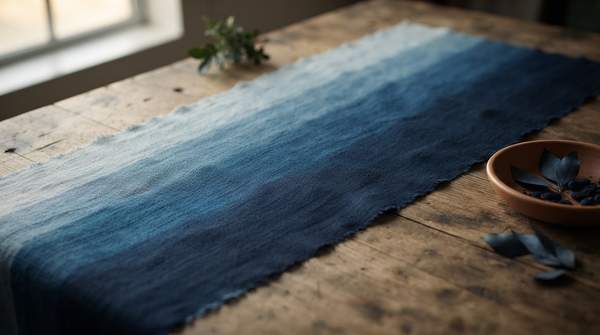
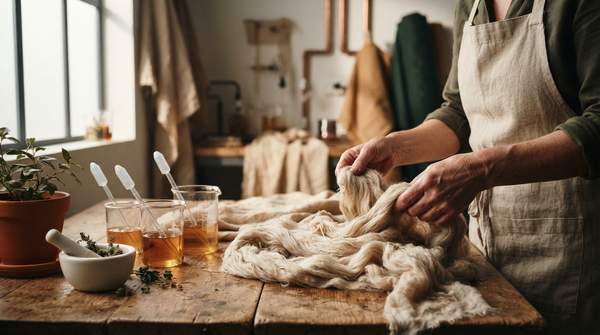
Beyond mere aesthetics, indigenous textiles embody complex narratives and generational expertise. For example, the Indonesian batik technique involves applying wax to fabric before dyeing, creating intricate patterns through a resist process, according to Latin American and Caribbean Design.
These traditions are more than decorative. They encode cultural histories, spiritual beliefs, and community identity, with each stitch or dye choice reflecting specific knowledge systems. This inherent craftsmanship makes them valuable to ethical production, emphasizing slow fashion and natural materials.
The Silent Theft: How Cultural Designs Are Copied
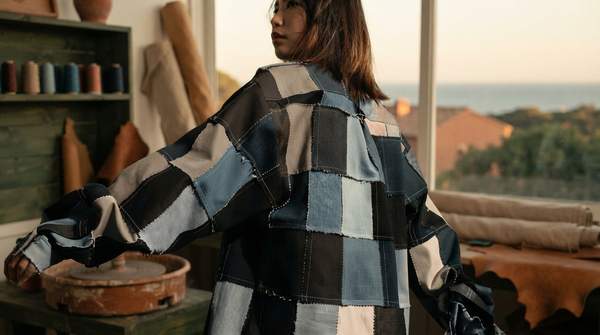
The commercial replication of indigenous designs often bypasses the very essence of traditional artistry, opting for cheaper, faster methods. The MaxMara replica patterns were printed on fabric, a significant departure from the authentic Oma designs which are meticulously hand-embroidered or hand-sewn, as reported by Fashion Revolution.
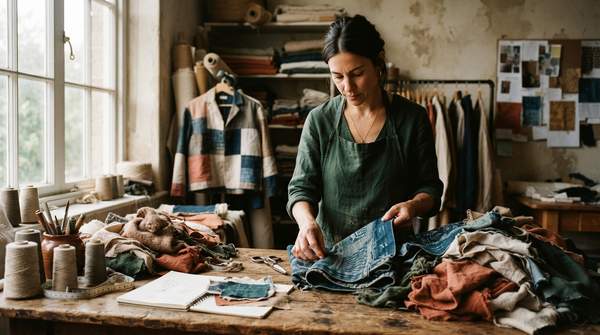
The shift from handcrafted imitation to digital printing is a new form of cultural appropriation. It not only devalues the labor and skill of traditional artisans but also makes tracing and challenging the exploitation more difficult. The aesthetic is taken, but the integrity and economic benefit for the originating community are systematically denied.
Beyond Aesthetics: The Deep Value of Cultural Heritage
Indigenous textiles carry profound cultural and historical weight, far surpassing their function as clothing or fashion accessories. The Inca civilization, for instance, considered ornamented fabrics more precious than gold, viewing them as sacred objects and powerful symbols of status and identity, according to Latin American and Caribbean Design.
For many indigenous cultures, textiles serve as historical records, conveying ancestral stories, ritual knowledge, and community bonds through their motifs and construction. When these designs are appropriated, it is not merely a design theft; it is an erosion of cultural intellectual property and the narratives embedded within these irreplaceable artifacts.
Protecting Heritage: Your Questions Answered
What are the benefits of indigenous textiles in sustainable fashion?
Indigenous textiles often feature naturally dyed, locally sourced fibers, reducing environmental impact compared to conventional synthetic production. These traditions promote circularity and biodiversity, supporting local ecosystems and economies rather than relying on globalized, resource-intensive supply chains. Choosing these textiles fosters a deeper connection to cultural heritage and ethical craftsmanship.
How can indigenous weaving techniques be applied to modern fashion?
Modern fashion brands can integrate indigenous weaving techniques through ethical collaborations that prioritize co-creation and fair compensation for artisans. This approach involves respecting cultural intellectual property and investing in community-led initiatives, allowing traditional skills to infuse contemporary designs while maintaining authenticity and economic benefit for the originators. Such partnerships can lead to unique, high-quality products with strong cultural narratives.
What challenges do indigenous textile artists face in the sustainable fashion industry?
Indigenous textile artists often face significant challenges including limited market access, competition from mass-produced imitations, and inadequate legal frameworks to protect their cultural intellectual property. They also contend with the erosion of traditional knowledge due to lack of intergenerational transfer and the pressure to commercialize their art in ways that may compromise its cultural significance.
Weaving a Fair Future for Indigenous Artisans
If initiatives like the Cultural Intellectual Property Rights Initiative (CIPRI), the Traditional Arts and Ethnology Centre (TAEC), and the Oma digital database gain wider adoption, indigenous communities may finally secure the legal and economic protections necessary to safeguard their heritage against commercial exploitation, fostering a more equitable global textile industry.