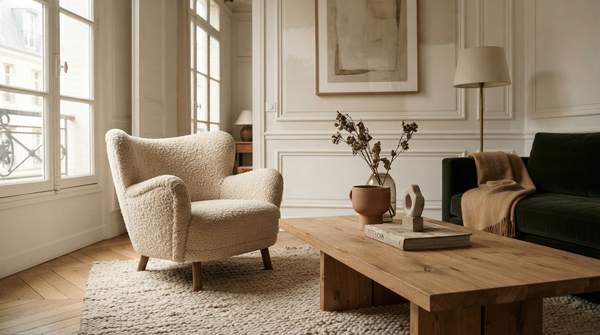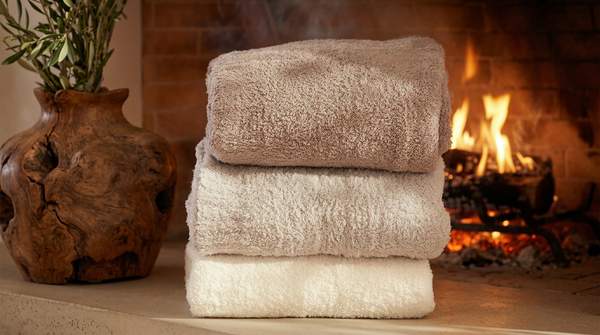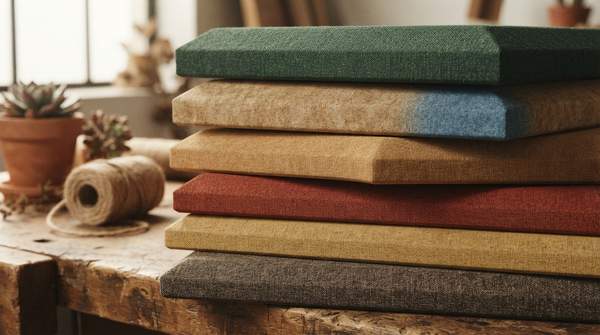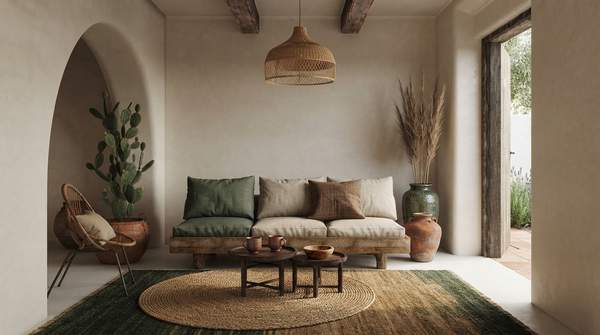
Biophilic design is the practice of connecting interior spaces to the natural world, and home textiles are one of the most direct ways to do it. The core principle for fabric selection is what Terrapin Bright Green's "14 Patterns of Biophilic Design" framework calls Natural Analogues: representations of nature that evoke responses similar to the real thing. In practice, that means choosing upholstery, curtains, rugs, and pillows whose patterns, textures, and colors mimic how nature is shaped, colored, and patterned.
Introduction to Biophilic Design in Home Textiles
Biophilic design is much more than adding plants. As the Journal of Biophilic Design explains, it is a multisensory discipline in which designers look at how nature is formed, colored, and patterned, then mimic those qualities in paint, wall coverings, furniture, and textiles. A fabric guide from FibreGuard makes the same point from the specifier's side: furnishing fabric plays a specific, often overlooked role, because its texture, color behavior, acoustic properties, and fiber make-up can either support a biophilic scheme or quietly undercut it. So when you shop for textiles, you are not just decorating. You are selecting materials that shape how a room feels to touch, sight, and even sound.
The Principle of Natural Analogues: Bringing Nature Indoors
Natural Analogues are the indirect experience of nature—images, objects, and materials that represent nature without being alive. Why does this work? Writing for Revolution Fabrics, Michael Lucas argues that a fabric resembling bark or a color reminiscent of moss "isn't just trendy—it taps into our evolutionary wiring." The goal, as he puts it, is not to recreate nature but to suggest it. Terrapin Bright Green's report grounds this in measurable effects: one study it cites found that changing the ratio of wood on interior walls produced different physiological responses in occupants. Representations of nature, in other words, are treated by our senses as meaningful, not merely decorative.