A strong fashion design portfolio is not a scrapbook of your best pictures. It is a structured argument that you can conceive ideas, execute them technically, and survive the realities of production. Fashion academies and hiring-focused industry guides converge on the same point: evaluators want to see how you got there, not just where you ended up. This guide breaks the portfolio into five essential elements and shows exactly what each one demonstrates—creative vision, technical skill, or industry readiness.
The Foundation of a Compelling Portfolio: Beyond Just Pretty Pictures
Why does one portfolio full of beautiful garments fail while another, with rougher work, gets the interview? Because fashion employers are looking for designers who can, as one step-by-step portfolio guide puts it, "not only conceive beautiful ideas but also execute them through solid technical understanding of garment construction, material behavior, and manufacturing requirements."
That is the real test. A portfolio that only shows polished final images, as hiring-focused guidance from The Fashion Network notes, "tells the hiring manager nothing about how you work day to day." The five elements below work together to answer three unspoken questions: Can you generate original ideas? Can you build them? Can you work within commercial constraints?
Element 1: Concept & Inspiration (Mood Boards)
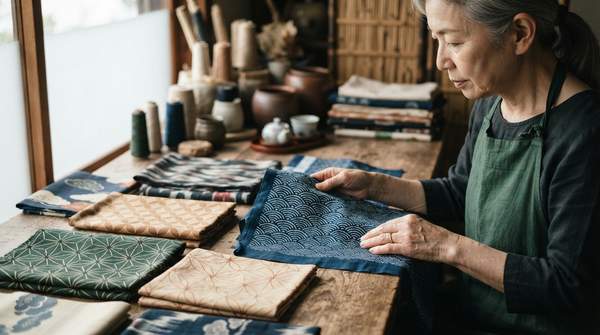
The mood board is where your portfolio begins, and it does a job no finished garment can do: it shows the why. Istituto Marangoni's own guidance on portfolio building emphasizes sourcing relevant images and analyzing cultural influences as key aspects of a design proposal—research is treated as a professional discipline, not decoration.
For an evaluator, a mood board proves you can generate and articulate original ideas rather than simply respond to trends. It immerses the viewer in the world that inspires you, as the University of Design, Innovation and Technology's portfolio guide describes, "breathing life into your creations and infusing your artistic narrative with depth."
There is also a readiness signal here. Hiring managers want to see mood boards as part of the design process because they indicate systematic thinking—a structured approach to design that is valued in professional settings. A designer who researches before sketching is a designer who can be briefed.
Element 2: Design Illustrations & Sketches
Illustrations and renderings are the visual voice of your aesthetic. They are where your artistry shines, and where the storytelling aspect of your work becomes visible to a viewer who has never met you.
But sketches do more than look good. They show the evolution of your ideas—the rounds of revision, the discarded directions, the thinking behind each choice. Hiring-focused guidance is blunt about this: every piece in your portfolio should answer an unspoken question—why did you make this choice? Your sketches are where that answer begins.
Include your initial sketches alongside refined renderings. The contrast between the two demonstrates that you can visually communicate a concept at every stage of its development, from first instinct to resolved design.
Element 3: Technical Drawings (Flats)
This is the element most emerging designers underinvest in—and the one that most clearly separates hobbyists from professionals. Technical drawings, also called flats or specification drawings, are described in portfolio guidance as an essential component of any professional fashion design portfolio.
What do they contain? Clean, proportionally accurate line drawings showing garment structure from front and back views, including seam placement, fastening details, construction notes, and specification information. The Fashion Retail Academy makes the underlying point simply: "Fashion is not just about aesthetics; it's also about construction and technical skills."
Flats prove you understand how a garment is built, not just how it looks. They demonstrate command of garment construction, patterns, measurements, material behavior, and manufacturing requirements—your ability to translate a design into production-ready specifications. For production-focused roles especially, this is the section a hiring manager will scrutinize.
Element 4: Finished Garment Photography & Process Documentation
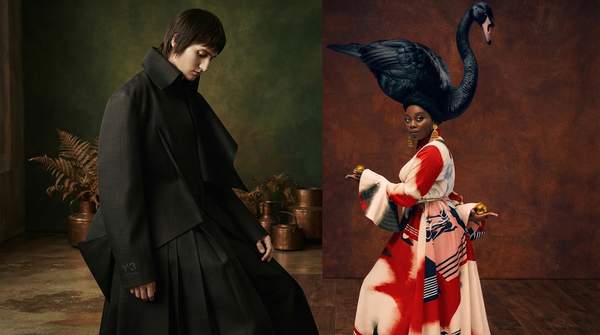
Beautiful photography closes the loop: it proves you can actually execute. For design roles, evaluators seek evidence of your complete design journey, encompassing inspiration, research, sketching, fabric selection, fit iterations, and final product photography. This demonstrates your aesthetic judgment, technical proficiency, and capacity to transform a concept into a commercially viable garment.
Notice that the final photograph is only one part of that arc. The fabric research, the rounds of revision, the fit iterations—these process artifacts demonstrate that you can think through a problem systematically, respond to feedback, and iterate under constraints. Pair your finished pieces with the documentation of how they came to be.
Quality matters more than quantity here. Be selective, and show diversity: a range of garments, materials, colour palettes, and design techniques demonstrates versatility and the ability to adapt and experiment.
Fashion Portfolio Components: A Skill-Mapping Framework
Use this framework to self-assess your portfolio's balance. Classify each component against the professional competencies it is meant to prove, and check whether any column is empty. A portfolio heavy on vision but light on technical proof reads as art school work; one heavy on flats but thin on concept reads as a patternmaker's file. The goal is a balanced case across all three competencies.
| Portfolio Component | Demonstrates Creative Vision | Demonstrates Technical Skill | Demonstrates Industry Readiness |
|---|---|---|---|
| Mood boards & concept development | Immerses the viewer in your creative vision and narrative; shows you can generate and articulate original ideas | — | Shows systematic, structured design thinking valued in professional settings |
| Design illustrations & sketches | Artistry and storytelling; visual communication of design concepts | Shows evolution from initial sketch to resolved rendering | Answers the "why" behind each design choice |
| Technical drawings (flats) | — | Garment construction, patterns, measurements, material behavior, manufacturing requirements | Proves you can translate design into production-ready specifications |
| Finished garment photography | Realized aesthetic in tangible form | Execution of construction and fit decisions | Commercially viable outcome; full development arc completed |
| Process documentation | Depth of artistic narrative | Iteration and response to constraints | Systematic problem-solving and feedback response |
The dashes are deliberate. No single component carries all three competencies—which is precisely why a portfolio of finished photographs alone fails. Read your own portfolio against this table: if a column is thin, you now know which element to build next.
Weaving Your Narrative: Telling a Cohesive Design Story
Now arrange the elements. The Fashion Retail Academy advises structuring your portfolio so it tells a story or conveys a theme, paying attention to flow, transitions, and overall visual appeal. The strongest structure for an emerging designer is the single-project arc, told four times over rather than as disconnected categories.
Start with the why: the mood board and concept, transporting the viewer into the world that inspires you. Move to the what: ideation and sketching, showing the genesis of the designs and the choices you made. Then define the how: technical flats and specifications that prove the garments can be built. Close by proving the result: finished garment photography, ideally alongside the fit iterations that got you there.
This arc mirrors exactly what design-role hiring managers assess—your eye, your technical knowledge, and your ability to translate a concept into a commercially viable garment. One caveat from the same guidance: a portfolio built for a design interview looks very different from one built for merchandising or marketing, so lead with the material the role actually evaluates.
Crafting Your Narrative: The Path to a Compelling Portfolio
Emerging fashion designers should strategically curate their portfolios to tell a cohesive story that explicitly links each design element to demonstrated creative vision, technical skill, and industry readiness, rather than merely presenting a collection of finished works. This guide covers content and structure for job and advanced-education applications—not digital portfolio website building, and not legal advice on copyright for your designs.
How do you know it worked? Use this measurable indicator: a portfolio review feedback session where evaluators consistently identify your creative process, technical proficiency, and understanding of industry requirements. If reviewers can name all three unprompted, your portfolio is doing its job. If they only mention your aesthetic, return to the framework table and find the thin column.
Sources
- How to Build a Strong Fashion Portfolio (Step-by-Step) - nifd
- Fashion Hiring Portfolio: 7 Essential Things Managers Check — The Fashion Network
- What is a fashion portfolio and how to do it — ISTITUTOMARANGONI
- How To Make A Fashion Portfolio — Fashionretailacademy