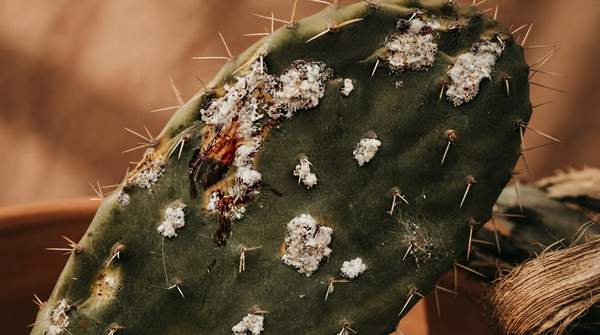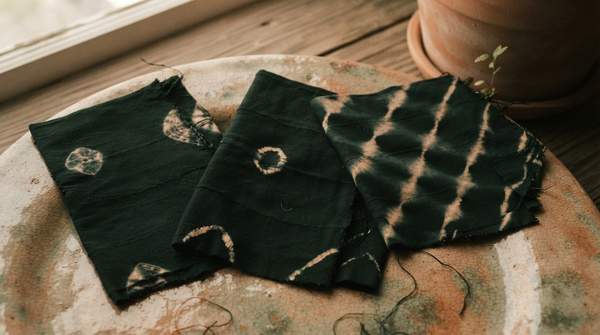
For most of human history, the color of cloth was a farm product: madder roots, indigo leaves, cochineal insects. Two innovations changed that forever. First, ancient dyers developed mordants—fixatives that bonded natural dyes to fibers so color survived washing. Then, in 1856, William Perkin accidentally synthesized mauveine from coal tar, opening an era in which color came from chemistry rather than cultivation. Within a generation, synthetic alizarin had collapsed the European and Asian madder markets, and commercial dyeing with natural dyestuffs was disappearing.
The Enduring Quest for Color: An Introduction to Textile Dyeing
Dyeing is among humanity's oldest technologies. Archaeologists have found dyed textiles dating back to Neolithic times, including material from around 10,000 BCE at ancient copper and ore mining sites in the Timna Valley of southern Israel, as described in RMIT's color theory course materials. In ancient Egypt, India, and China, textile production was already highly developed, and dyers more than two thousand years ago routinely mixed existing dyes to produce multiple shades across a wide color gamut, according to a Cottonworks technical booklet on dyeing.
Beyond function, color carried meaning. A review of natural and synthetic dyes published in the journal PMC notes that throughout history, dyes' hues have conveyed status, religious significance, and regional identity—transcending mere chromatic decoration. Natural dyes such as woad, indigo, madder, and the insect dyes cochineal and kermes were, until the mid-19th century, important elements of the economies of both Asia and Europe. In other words, color was not just culture; it was trade.
From Nature's Palette: Early Dyes and the Mordant Breakthrough
The central technical problem of ancient dyeing was permanence. Most natural colorants simply washed out of fabric. The decisive breakthrough was the mordant: a fixative applied to prevent dyes from being washed out of textiles, enabling long-lasting color. The Cottonworks booklet explains that metallic salts known as mordants were required for natural dyes to achieve even minimally acceptable color fastness, and that many of these mordants were very toxic.
The mechanism was chemical rather than mechanical—mordants such as alum formed a bridge between dye molecules and fibers, anchoring the color. Some methods were more successful than others, and archaeologists have recovered ancient textiles that still retain dye after millennia, according to the RMIT materials. Early evidence of sophisticated dyeing includes a piece of cotton dyed with a vegetable dye recovered at Mohenjo-daro in Sindh, in what is now Pakistan, dating to the third millennium BCE. The dye used there was madder, which—along with indigo—spread to other regions through trade.