Coca-Cola, a brand synonymous with festive magic, faced significant backlash in 2026 for producing its Christmas ads with AI. This revealed a deep consumer preference for authenticity over manufactured convenience. The public outcry highlighted a visceral demand for 'real' or 'human' elements, even from a global industrial giant. Yet, consumers increasingly value cultural connection, their purchasing habits often prioritize the low cost and convenience of mass-produced goods. This tension makes preserving traditional artisan crafts against industrialization difficult. Without deliberate intervention and a shift in consumer behavior, economic pressures favoring industrialization will likely diminish traditional crafts, leading to a profound loss of cultural heritage and sustainable economic models.
The Irreplaceable Value of Handcrafted Heritage
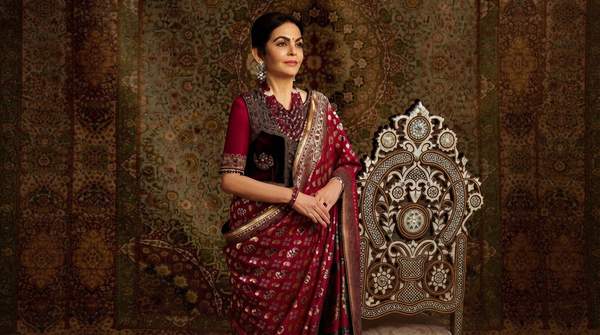
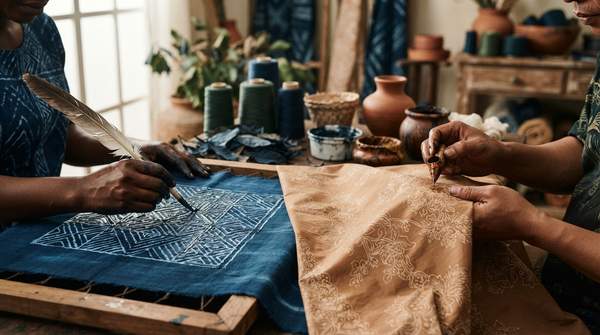
Traditional crafts are not static relics; they are dynamic engines of cultural innovation and identity. They embody creative expression, local culture, and emotional communication, directly connecting deep cultural layers with evolving artistic forms. Historical continuity, knowledge transmission, and the integration of tradition and modernity drive this innovation, according to pmc. These unique aspects foster community and emotional depth, something industrial processes cannot replicate. Losing these crafts means severing a vital link to our past and stifling future cultural evolution.
The Economic Allure of Mass Production
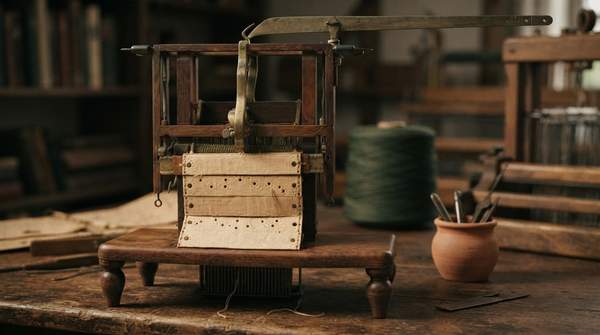
Despite their cultural value, handcrafted goods struggle against the economic allure of mass production. Industrial processes supply daily necessities at a lower cost and faster pace than hand production, notes ich. This efficiency makes mass-produced items widely accessible and attractive to budget-conscious consumers. Consequently, young people often gravitate towards factory or service jobs, which offer less demanding labor and better pay, according to ich. This economic disparity creates a significant brain drain, making it increasingly difficult for younger generations to sustain themselves through traditional crafts and eroding the foundation of heritage industries.
The Hidden Costs of Fast Fashion
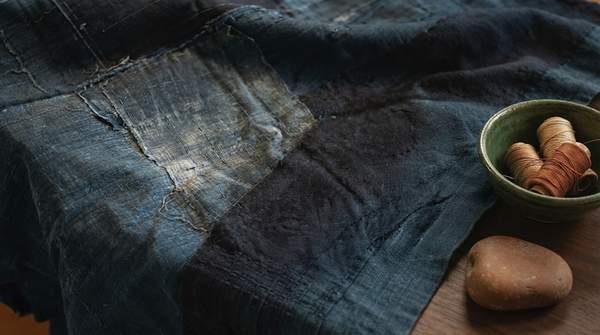
The pursuit of cheap, fast goods, especially in textiles, carries a severe environmental cost. Fast fashion, synthetic fibers, and textile waste threaten sustainability in India's textile industry, reports the Daily Pioneer. This unchecked proliferation of unsustainable practices fuels pollution and resource depletion. This environmental crisis is also a cultural one. Mass production's waste and synthetic materials supplant and devalue the sustainable, culturally rich practices of traditional artisans. It replaces unique local traditions with a globalized, unsustainable homogeneity. Traditional crafts, by contrast, often use natural materials and circular practices, inherently avoiding these ecological pitfalls.
Beyond Economics: The Threat to Identity
The erosion of traditional crafts threatens cultural identity, a loss far beyond economics. Communities lose tangible links to history and vital cultural expression when artisan skills disappear. The exodus of young talent to factory jobs undermines the 'historical continuity, knowledge transmission, and integration of tradition and modernity' essential for cultural innovation. Companies failing to recognize the nuanced consumer demand for authenticity, as Coca-Cola learned with its AI ads, risk alienating customers. If support for artisan communities remains insufficient, the global market will likely find itself poorer by Q4 2026, having traded genuine cultural richness for fleeting convenience.